Robert Youssef
The Missing Link
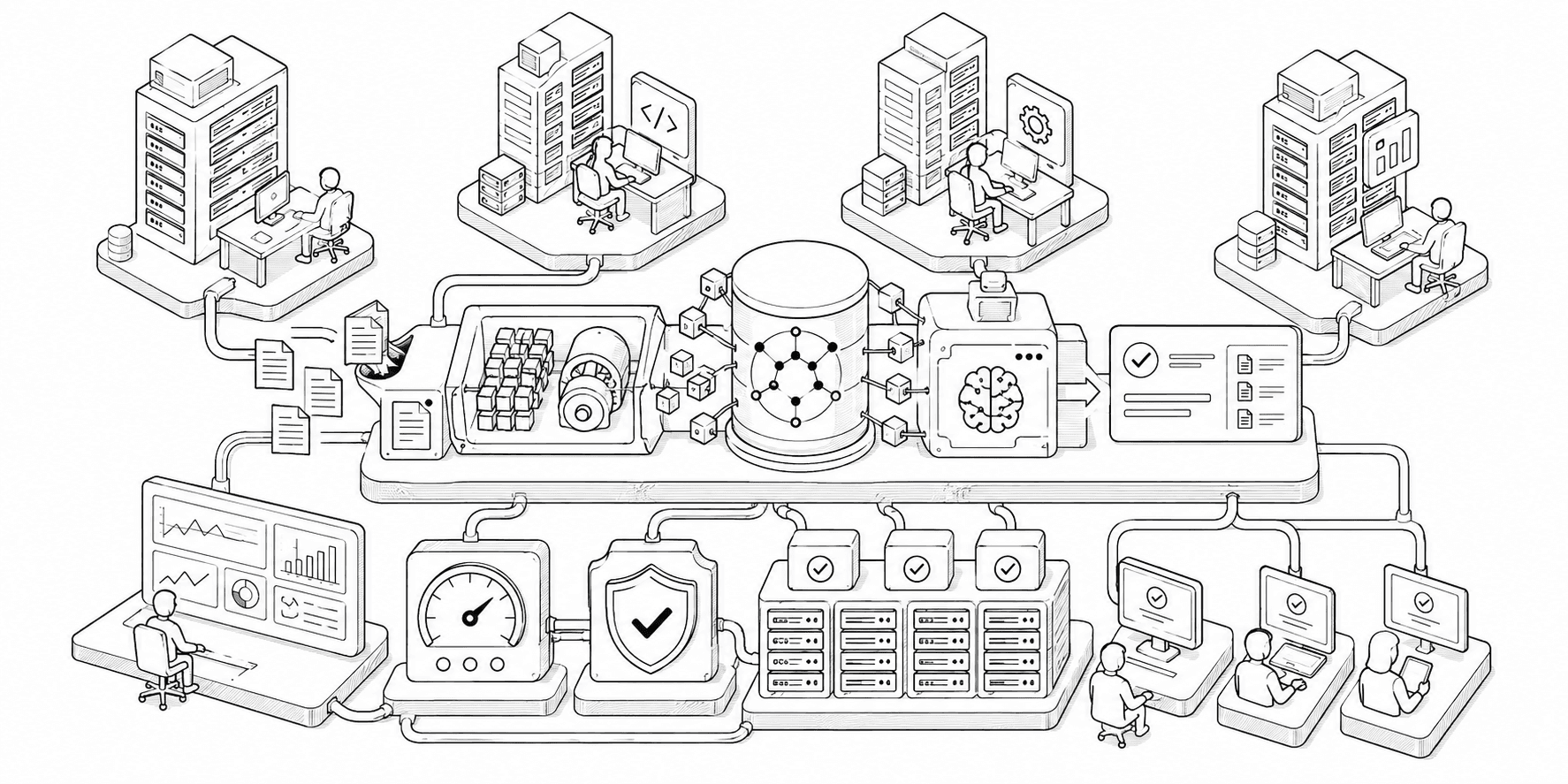
I come from architecture and urban planning, designing systems that should have created leverage—transit networks, resource flows, development infrastructure. This work taught me how things should scale. When I shifted to helping businesses automate and implement AI, I kept seeing the same gap everywhere. Businesses had the technology. They had the need. But they were missing the layer in between—the infrastructure for how to actually communicate with AI.
Developers spoke in functions. Clients spoke in outcomes. AI spoke in… whatever you prompted it to speak in. Nobody had a shared language. No protocols. No architecture.
The Infrastructure Layer
With generative AI becoming so essential, I stopped seeing AI as a tool and started seeing it as territory that needed architecture.
People were treating it like a magic search bar. Ask once, get disappointed, move on. They were standing in front of a transit system but couldn’t read the map.
I realized: They don’t need better AI. They need better infrastructure between them and AI. Prompts aren’t requests—they’re protocols. Communication architecture. The same thinking I used mapping resource flows in cities applied perfectly to designing how humans should interact with intelligence.
Building the System
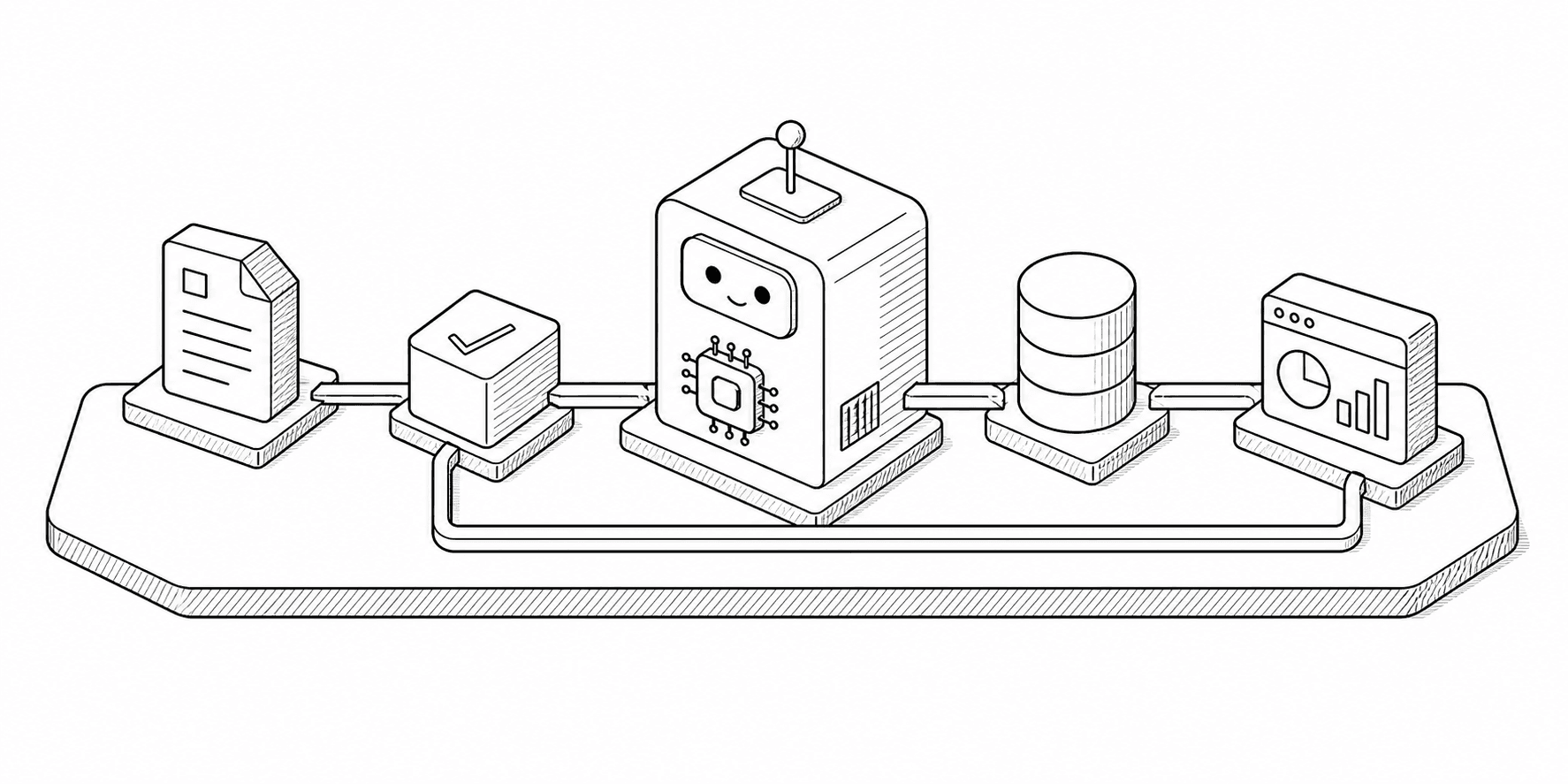
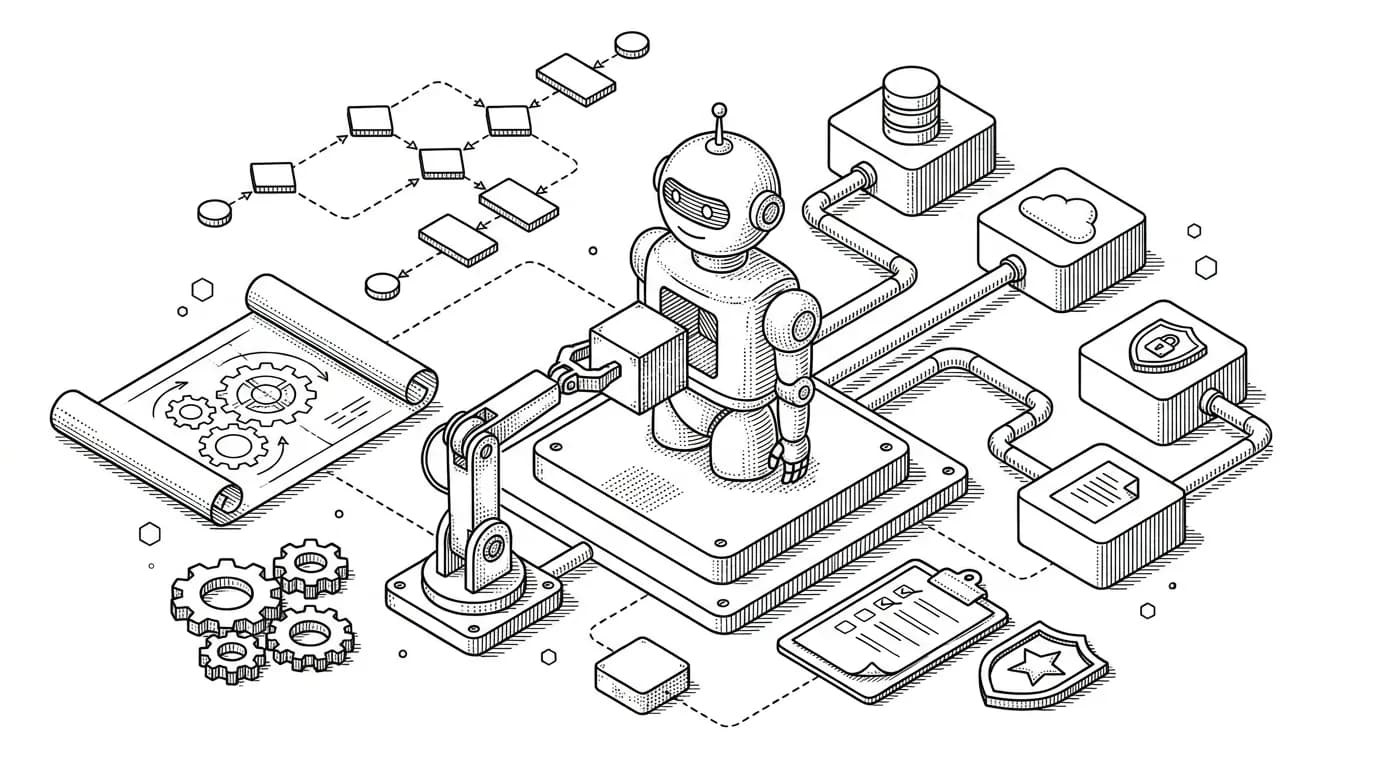
@godofprompt became that infrastructure layer. Not a course. Not a tool. An intelligent system for how information should flow between human thinking and AI capability.
Same principles that prevented scope creep in urban development now prevent prompt failures. Same patterns that identified bottlenecks in city budgets now identify bottlenecks in AI workflows.
Turns out you don’t need a bigger budget or better AI. You need someone who knows how to design the space between question and answer. That’s AI architecture for me.
-
Robert Youssef
The Missing Link
I come from architecture and urban planning, designing systems that should have created leverage—transit networks, resource flows, development infrastructure. This work taught me how things should scale. When I shifted to helping businesses automate and implement AI, I kept seeing the same gap everywhere. Businesses had the technology. They had the need. But they were missing the layer in between—the infrastructure for how to actually communicate with AI.
Developers spoke in functions. Clients spoke in outcomes. AI spoke in… whatever you prompted it to speak in. Nobody had a shared language. No protocols. No architecture.
The Infrastructure Layer
With generative AI becoming so essential, I stopped seeing AI as a tool and started seeing it as territory that needed architecture.
People were treating it like a magic search bar. Ask once, get disappointed, move on. They were standing in front of a transit system but couldn’t read the map.
I realized: They don’t need better AI. They need better infrastructure between them and AI. Prompts aren’t requests—they’re protocols. Communication architecture. The same thinking I used mapping resource flows in cities applied perfectly to designing how humans should interact with intelligence.
Building the System
@godofprompt became that infrastructure layer. Not a course. Not a tool. An intelligent system for how information should flow between human thinking and AI capability.
Same principles that prevented scope creep in urban development now prevent prompt failures. Same patterns that identified bottlenecks in city budgets now identify bottlenecks in AI workflows.
Turns out you don’t need a bigger budget or better AI. You need someone who knows how to design the space between question and answer. That’s AI architecture for me.
-
Robert Youssef
The Missing Link
I come from architecture and urban planning, designing systems that should have created leverage—transit networks, resource flows, development infrastructure. This work taught me how things should scale. When I shifted to helping businesses automate and implement AI, I kept seeing the same gap everywhere. Businesses had the technology. They had the need. But they were missing the layer in between—the infrastructure for how to actually communicate with AI.
Developers spoke in functions. Clients spoke in outcomes. AI spoke in… whatever you prompted it to speak in. Nobody had a shared language. No protocols. No architecture.
The Infrastructure Layer
With generative AI becoming so essential, I stopped seeing AI as a tool and started seeing it as territory that needed architecture.
People were treating it like a magic search bar. Ask once, get disappointed, move on. They were standing in front of a transit system but couldn’t read the map.
I realized: They don’t need better AI. They need better infrastructure between them and AI. Prompts aren’t requests—they’re protocols. Communication architecture. The same thinking I used mapping resource flows in cities applied perfectly to designing how humans should interact with intelligence.
Building the System
@godofprompt became that infrastructure layer. Not a course. Not a tool. An intelligent system for how information should flow between human thinking and AI capability.
Same principles that prevented scope creep in urban development now prevent prompt failures. Same patterns that identified bottlenecks in city budgets now identify bottlenecks in AI workflows.
Turns out you don’t need a bigger budget or better AI. You need someone who knows how to design the space between question and answer. That’s AI architecture for me.
-
Robert Youssef
The Missing Link
I come from architecture and urban planning, designing systems that should have created leverage—transit networks, resource flows, development infrastructure. This work taught me how things should scale. When I shifted to helping businesses automate and implement AI, I kept seeing the same gap everywhere. Businesses had the technology. They had the need. But they were missing the layer in between—the infrastructure for how to actually communicate with AI.
Developers spoke in functions. Clients spoke in outcomes. AI spoke in… whatever you prompted it to speak in. Nobody had a shared language. No protocols. No architecture.
The Infrastructure Layer
With generative AI becoming so essential, I stopped seeing AI as a tool and started seeing it as territory that needed architecture.
People were treating it like a magic search bar. Ask once, get disappointed, move on. They were standing in front of a transit system but couldn’t read the map.
I realized: They don’t need better AI. They need better infrastructure between them and AI. Prompts aren’t requests—they’re protocols. Communication architecture. The same thinking I used mapping resource flows in cities applied perfectly to designing how humans should interact with intelligence.
Building the System
@godofprompt became that infrastructure layer. Not a course. Not a tool. An intelligent system for how information should flow between human thinking and AI capability.
Same principles that prevented scope creep in urban development now prevent prompt failures. Same patterns that identified bottlenecks in city budgets now identify bottlenecks in AI workflows.
Turns out you don’t need a bigger budget or better AI. You need someone who knows how to design the space between question and answer. That’s AI architecture for me.
-
Robert Youssef
The Missing Link
I come from architecture and urban planning, designing systems that should have created leverage—transit networks, resource flows, development infrastructure. This work taught me how things should scale. When I shifted to helping businesses automate and implement AI, I kept seeing the same gap everywhere. Businesses had the technology. They had the need. But they were missing the layer in between—the infrastructure for how to actually communicate with AI.
Developers spoke in functions. Clients spoke in outcomes. AI spoke in… whatever you prompted it to speak in. Nobody had a shared language. No protocols. No architecture.
The Infrastructure Layer
With generative AI becoming so essential, I stopped seeing AI as a tool and started seeing it as territory that needed architecture.
People were treating it like a magic search bar. Ask once, get disappointed, move on. They were standing in front of a transit system but couldn’t read the map.
I realized: They don’t need better AI. They need better infrastructure between them and AI. Prompts aren’t requests—they’re protocols. Communication architecture. The same thinking I used mapping resource flows in cities applied perfectly to designing how humans should interact with intelligence.
Building the System
@godofprompt became that infrastructure layer. Not a course. Not a tool. An intelligent system for how information should flow between human thinking and AI capability.
Same principles that prevented scope creep in urban development now prevent prompt failures. Same patterns that identified bottlenecks in city budgets now identify bottlenecks in AI workflows.
Turns out you don’t need a bigger budget or better AI. You need someone who knows how to design the space between question and answer. That’s AI architecture for me.
-
Robert Youssef
The Missing Link
I come from architecture and urban planning, designing systems that should have created leverage—transit networks, resource flows, development infrastructure. This work taught me how things should scale. When I shifted to helping businesses automate and implement AI, I kept seeing the same gap everywhere. Businesses had the technology. They had the need. But they were missing the layer in between—the infrastructure for how to actually communicate with AI.
Developers spoke in functions. Clients spoke in outcomes. AI spoke in… whatever you prompted it to speak in. Nobody had a shared language. No protocols. No architecture.
The Infrastructure Layer
With generative AI becoming so essential, I stopped seeing AI as a tool and started seeing it as territory that needed architecture.
People were treating it like a magic search bar. Ask once, get disappointed, move on. They were standing in front of a transit system but couldn’t read the map.
I realized: They don’t need better AI. They need better infrastructure between them and AI. Prompts aren’t requests—they’re protocols. Communication architecture. The same thinking I used mapping resource flows in cities applied perfectly to designing how humans should interact with intelligence.
Building the System
@godofprompt became that infrastructure layer. Not a course. Not a tool. An intelligent system for how information should flow between human thinking and AI capability.
Same principles that prevented scope creep in urban development now prevent prompt failures. Same patterns that identified bottlenecks in city budgets now identify bottlenecks in AI workflows.
Turns out you don’t need a bigger budget or better AI. You need someone who knows how to design the space between question and answer. That’s AI architecture for me.
-
Robert Youssef
The Missing Link
I come from architecture and urban planning, designing systems that should have created leverage—transit networks, resource flows, development infrastructure. This work taught me how things should scale. When I shifted to helping businesses automate and implement AI, I kept seeing the same gap everywhere. Businesses had the technology. They had the need. But they were missing the layer in between—the infrastructure for how to actually communicate with AI.
Developers spoke in functions. Clients spoke in outcomes. AI spoke in… whatever you prompted it to speak in. Nobody had a shared language. No protocols. No architecture.
The Infrastructure Layer
With generative AI becoming so essential, I stopped seeing AI as a tool and started seeing it as territory that needed architecture.
People were treating it like a magic search bar. Ask once, get disappointed, move on. They were standing in front of a transit system but couldn’t read the map.
I realized: They don’t need better AI. They need better infrastructure between them and AI. Prompts aren’t requests—they’re protocols. Communication architecture. The same thinking I used mapping resource flows in cities applied perfectly to designing how humans should interact with intelligence.
Building the System
@godofprompt became that infrastructure layer. Not a course. Not a tool. An intelligent system for how information should flow between human thinking and AI capability.
Same principles that prevented scope creep in urban development now prevent prompt failures. Same patterns that identified bottlenecks in city budgets now identify bottlenecks in AI workflows.
Turns out you don’t need a bigger budget or better AI. You need someone who knows how to design the space between question and answer. That’s AI architecture for me.
-
Robert Youssef
The Missing Link
I come from architecture and urban planning, designing systems that should have created leverage—transit networks, resource flows, development infrastructure. This work taught me how things should scale. When I shifted to helping businesses automate and implement AI, I kept seeing the same gap everywhere. Businesses had the technology. They had the need. But they were missing the layer in between—the infrastructure for how to actually communicate with AI.
Developers spoke in functions. Clients spoke in outcomes. AI spoke in… whatever you prompted it to speak in. Nobody had a shared language. No protocols. No architecture.
The Infrastructure Layer
With generative AI becoming so essential, I stopped seeing AI as a tool and started seeing it as territory that needed architecture.
People were treating it like a magic search bar. Ask once, get disappointed, move on. They were standing in front of a transit system but couldn’t read the map.
I realized: They don’t need better AI. They need better infrastructure between them and AI. Prompts aren’t requests—they’re protocols. Communication architecture. The same thinking I used mapping resource flows in cities applied perfectly to designing how humans should interact with intelligence.
Building the System
@godofprompt became that infrastructure layer. Not a course. Not a tool. An intelligent system for how information should flow between human thinking and AI capability.
Same principles that prevented scope creep in urban development now prevent prompt failures. Same patterns that identified bottlenecks in city budgets now identify bottlenecks in AI workflows.
Turns out you don’t need a bigger budget or better AI. You need someone who knows how to design the space between question and answer. That’s AI architecture for me.
-
Robert Youssef
The Missing Link
I come from architecture and urban planning, designing systems that should have created leverage—transit networks, resource flows, development infrastructure. This work taught me how things should scale. When I shifted to helping businesses automate and implement AI, I kept seeing the same gap everywhere. Businesses had the technology. They had the need. But they were missing the layer in between—the infrastructure for how to actually communicate with AI.
Developers spoke in functions. Clients spoke in outcomes. AI spoke in… whatever you prompted it to speak in. Nobody had a shared language. No protocols. No architecture.
The Infrastructure Layer
With generative AI becoming so essential, I stopped seeing AI as a tool and started seeing it as territory that needed architecture.
People were treating it like a magic search bar. Ask once, get disappointed, move on. They were standing in front of a transit system but couldn’t read the map.
I realized: They don’t need better AI. They need better infrastructure between them and AI. Prompts aren’t requests—they’re protocols. Communication architecture. The same thinking I used mapping resource flows in cities applied perfectly to designing how humans should interact with intelligence.
Building the System
@godofprompt became that infrastructure layer. Not a course. Not a tool. An intelligent system for how information should flow between human thinking and AI capability.
Same principles that prevented scope creep in urban development now prevent prompt failures. Same patterns that identified bottlenecks in city budgets now identify bottlenecks in AI workflows.
Turns out you don’t need a bigger budget or better AI. You need someone who knows how to design the space between question and answer. That’s AI architecture for me.
-
Robert Youssef
The Missing Link
I come from architecture and urban planning, designing systems that should have created leverage—transit networks, resource flows, development infrastructure. This work taught me how things should scale. When I shifted to helping businesses automate and implement AI, I kept seeing the same gap everywhere. Businesses had the technology. They had the need. But they were missing the layer in between—the infrastructure for how to actually communicate with AI.
Developers spoke in functions. Clients spoke in outcomes. AI spoke in… whatever you prompted it to speak in. Nobody had a shared language. No protocols. No architecture.
The Infrastructure Layer
With generative AI becoming so essential, I stopped seeing AI as a tool and started seeing it as territory that needed architecture.
People were treating it like a magic search bar. Ask once, get disappointed, move on. They were standing in front of a transit system but couldn’t read the map.
I realized: They don’t need better AI. They need better infrastructure between them and AI. Prompts aren’t requests—they’re protocols. Communication architecture. The same thinking I used mapping resource flows in cities applied perfectly to designing how humans should interact with intelligence.
Building the System
@godofprompt became that infrastructure layer. Not a course. Not a tool. An intelligent system for how information should flow between human thinking and AI capability.
Same principles that prevented scope creep in urban development now prevent prompt failures. Same patterns that identified bottlenecks in city budgets now identify bottlenecks in AI workflows.
Turns out you don’t need a bigger budget or better AI. You need someone who knows how to design the space between question and answer. That’s AI architecture for me.
-
Robert Youssef
The Missing Link
I come from architecture and urban planning, designing systems that should have created leverage—transit networks, resource flows, development infrastructure. This work taught me how things should scale. When I shifted to helping businesses automate and implement AI, I kept seeing the same gap everywhere. Businesses had the technology. They had the need. But they were missing the layer in between—the infrastructure for how to actually communicate with AI.
Developers spoke in functions. Clients spoke in outcomes. AI spoke in… whatever you prompted it to speak in. Nobody had a shared language. No protocols. No architecture.
The Infrastructure Layer
With generative AI becoming so essential, I stopped seeing AI as a tool and started seeing it as territory that needed architecture.
People were treating it like a magic search bar. Ask once, get disappointed, move on. They were standing in front of a transit system but couldn’t read the map.
I realized: They don’t need better AI. They need better infrastructure between them and AI. Prompts aren’t requests—they’re protocols. Communication architecture. The same thinking I used mapping resource flows in cities applied perfectly to designing how humans should interact with intelligence.
Building the System
@godofprompt became that infrastructure layer. Not a course. Not a tool. An intelligent system for how information should flow between human thinking and AI capability.
Same principles that prevented scope creep in urban development now prevent prompt failures. Same patterns that identified bottlenecks in city budgets now identify bottlenecks in AI workflows.
Turns out you don’t need a bigger budget or better AI. You need someone who knows how to design the space between question and answer. That’s AI architecture for me.
All articles by
-

10+ Best AI Tools for eCommerce Businesses (2025 Guide)
Looking for the best AI tools to grow your eCommerce brand in 2025? This guide shares 10+ expert-picked…
-

Why Claude Forgets You Every Time (And What to Do About It)
Claude AI forgets your conversations because of how its memory actually works. Here’s the simple explanation, why it…
-

AI Translation Tools for Global Businesses
AI translation cuts localization costs, speeds global launches, and preserves brand voice with glossaries and integrations.
-

12 Best AI Tools for Ticket Routing 2026
AI ticket routing automates triage and routing to speed resolutions and cut support costs across teams and platforms.
-

Top 7 AI Tools for Pricing Optimization
Compare seven AI pricing platforms, their costs, integrations, and strengths to choose the best fit for your business.
-

AI Prompts for Multicultural Learning Games
AI prompts enable teachers to build culturally responsive, stereotype-free learning games that boost language skills and empathy.
-

Top 5 AI Prompts for Remote Onboarding Tasks
Five AI prompts to automate remote onboarding: 30-60-90 plans, first-day agendas, welcome emails, communication guides, and checklists.
-

Top 7 AI Tools for Demand Forecasting
Seven AI demand forecasting tools compared by features, industries, and pricing to guide inventory and supply chain choices.
-

Top AI Prompts for Workforce Demographic Reports
Use practical AI prompts to analyze age, gender, diversity, and leadership data for actionable workforce demographic insights.
-

AI Icebreakers vs Traditional Icebreakers
AI icebreakers personalize and scale team warm-ups for remote or hybrid teams, while traditional activities build deeper in-person…