Robert Youssef
The Missing Link
I come from architecture and urban planning, designing systems that should have created leverage—transit networks, resource flows, development infrastructure. This work taught me how things should scale. When I shifted to helping businesses automate and implement AI, I kept seeing the same gap everywhere. Businesses had the technology. They had the need. But they were missing the layer in between—the infrastructure for how to actually communicate with AI.
Developers spoke in functions. Clients spoke in outcomes. AI spoke in… whatever you prompted it to speak in. Nobody had a shared language. No protocols. No architecture.
The Infrastructure Layer
With generative AI becoming so essential, I stopped seeing AI as a tool and started seeing it as territory that needed architecture.
People were treating it like a magic search bar. Ask once, get disappointed, move on. They were standing in front of a transit system but couldn’t read the map.
I realized: They don’t need better AI. They need better infrastructure between them and AI. Prompts aren’t requests—they’re protocols. Communication architecture. The same thinking I used mapping resource flows in cities applied perfectly to designing how humans should interact with intelligence.
Building the System
@godofprompt became that infrastructure layer. Not a course. Not a tool. An intelligent system for how information should flow between human thinking and AI capability.
Same principles that prevented scope creep in urban development now prevent prompt failures. Same patterns that identified bottlenecks in city budgets now identify bottlenecks in AI workflows.
Turns out you don’t need a bigger budget or better AI. You need someone who knows how to design the space between question and answer. That’s AI architecture for me.
-
Robert YoussefThe Missing Link I come from architecture and urban planning, designing systems that should have created leverage—transit networks, resource flows, development infrastructure. This work taught me how things should scale. When I shifted to helping businesses automate and implement AI, I kept seeing the same gap everywhere. Businesses had the technology. They had the need. But they were missing the layer in between—the infrastructure for how to actually communicate with AI. Developers spoke in functions. Clients spoke in outcomes. AI spoke in… whatever you prompted it to speak in. Nobody had a shared language. No protocols. No architecture. The Infrastructure Layer With generative AI becoming so essential, I stopped seeing AI as a tool and started seeing it as territory that needed architecture. People were treating it like a magic search bar. Ask once, get disappointed, move on. They were standing in front of a transit system but couldn’t read the map. I realized: They don’t need better AI. They need better infrastructure between them and AI. Prompts aren’t requests—they’re protocols. Communication architecture. The same thinking I used mapping resource flows in cities applied perfectly to designing how humans should interact with intelligence. Building the System @godofprompt became that infrastructure layer. Not a course. Not a tool. An intelligent system for how information should flow between human thinking and AI capability. Same principles that prevented scope creep in urban development now prevent prompt failures. Same patterns that identified bottlenecks in city budgets now identify bottlenecks in AI workflows. Turns out you don’t need a bigger budget or better AI. You need someone who knows how to design the space between question and answer. That’s AI architecture for me.
-
Robert YoussefThe Missing Link I come from architecture and urban planning, designing systems that should have created leverage—transit networks, resource flows, development infrastructure. This work taught me how things should scale. When I shifted to helping businesses automate and implement AI, I kept seeing the same gap everywhere. Businesses had the technology. They had the need. But they were missing the layer in between—the infrastructure for how to actually communicate with AI. Developers spoke in functions. Clients spoke in outcomes. AI spoke in… whatever you prompted it to speak in. Nobody had a shared language. No protocols. No architecture. The Infrastructure Layer With generative AI becoming so essential, I stopped seeing AI as a tool and started seeing it as territory that needed architecture. People were treating it like a magic search bar. Ask once, get disappointed, move on. They were standing in front of a transit system but couldn’t read the map. I realized: They don’t need better AI. They need better infrastructure between them and AI. Prompts aren’t requests—they’re protocols. Communication architecture. The same thinking I used mapping resource flows in cities applied perfectly to designing how humans should interact with intelligence. Building the System @godofprompt became that infrastructure layer. Not a course. Not a tool. An intelligent system for how information should flow between human thinking and AI capability. Same principles that prevented scope creep in urban development now prevent prompt failures. Same patterns that identified bottlenecks in city budgets now identify bottlenecks in AI workflows. Turns out you don’t need a bigger budget or better AI. You need someone who knows how to design the space between question and answer. That’s AI architecture for me.
-
Robert YoussefThe Missing Link I come from architecture and urban planning, designing systems that should have created leverage—transit networks, resource flows, development infrastructure. This work taught me how things should scale. When I shifted to helping businesses automate and implement AI, I kept seeing the same gap everywhere. Businesses had the technology. They had the need. But they were missing the layer in between—the infrastructure for how to actually communicate with AI. Developers spoke in functions. Clients spoke in outcomes. AI spoke in… whatever you prompted it to speak in. Nobody had a shared language. No protocols. No architecture. The Infrastructure Layer With generative AI becoming so essential, I stopped seeing AI as a tool and started seeing it as territory that needed architecture. People were treating it like a magic search bar. Ask once, get disappointed, move on. They were standing in front of a transit system but couldn’t read the map. I realized: They don’t need better AI. They need better infrastructure between them and AI. Prompts aren’t requests—they’re protocols. Communication architecture. The same thinking I used mapping resource flows in cities applied perfectly to designing how humans should interact with intelligence. Building the System @godofprompt became that infrastructure layer. Not a course. Not a tool. An intelligent system for how information should flow between human thinking and AI capability. Same principles that prevented scope creep in urban development now prevent prompt failures. Same patterns that identified bottlenecks in city budgets now identify bottlenecks in AI workflows. Turns out you don’t need a bigger budget or better AI. You need someone who knows how to design the space between question and answer. That’s AI architecture for me.
-
Robert YoussefThe Missing Link I come from architecture and urban planning, designing systems that should have created leverage—transit networks, resource flows, development infrastructure. This work taught me how things should scale. When I shifted to helping businesses automate and implement AI, I kept seeing the same gap everywhere. Businesses had the technology. They had the need. But they were missing the layer in between—the infrastructure for how to actually communicate with AI. Developers spoke in functions. Clients spoke in outcomes. AI spoke in… whatever you prompted it to speak in. Nobody had a shared language. No protocols. No architecture. The Infrastructure Layer With generative AI becoming so essential, I stopped seeing AI as a tool and started seeing it as territory that needed architecture. People were treating it like a magic search bar. Ask once, get disappointed, move on. They were standing in front of a transit system but couldn’t read the map. I realized: They don’t need better AI. They need better infrastructure between them and AI. Prompts aren’t requests—they’re protocols. Communication architecture. The same thinking I used mapping resource flows in cities applied perfectly to designing how humans should interact with intelligence. Building the System @godofprompt became that infrastructure layer. Not a course. Not a tool. An intelligent system for how information should flow between human thinking and AI capability. Same principles that prevented scope creep in urban development now prevent prompt failures. Same patterns that identified bottlenecks in city budgets now identify bottlenecks in AI workflows. Turns out you don’t need a bigger budget or better AI. You need someone who knows how to design the space between question and answer. That’s AI architecture for me.
-
Robert YoussefThe Missing Link I come from architecture and urban planning, designing systems that should have created leverage—transit networks, resource flows, development infrastructure. This work taught me how things should scale. When I shifted to helping businesses automate and implement AI, I kept seeing the same gap everywhere. Businesses had the technology. They had the need. But they were missing the layer in between—the infrastructure for how to actually communicate with AI. Developers spoke in functions. Clients spoke in outcomes. AI spoke in… whatever you prompted it to speak in. Nobody had a shared language. No protocols. No architecture. The Infrastructure Layer With generative AI becoming so essential, I stopped seeing AI as a tool and started seeing it as territory that needed architecture. People were treating it like a magic search bar. Ask once, get disappointed, move on. They were standing in front of a transit system but couldn’t read the map. I realized: They don’t need better AI. They need better infrastructure between them and AI. Prompts aren’t requests—they’re protocols. Communication architecture. The same thinking I used mapping resource flows in cities applied perfectly to designing how humans should interact with intelligence. Building the System @godofprompt became that infrastructure layer. Not a course. Not a tool. An intelligent system for how information should flow between human thinking and AI capability. Same principles that prevented scope creep in urban development now prevent prompt failures. Same patterns that identified bottlenecks in city budgets now identify bottlenecks in AI workflows. Turns out you don’t need a bigger budget or better AI. You need someone who knows how to design the space between question and answer. That’s AI architecture for me.
-
Robert YoussefThe Missing Link I come from architecture and urban planning, designing systems that should have created leverage—transit networks, resource flows, development infrastructure. This work taught me how things should scale. When I shifted to helping businesses automate and implement AI, I kept seeing the same gap everywhere. Businesses had the technology. They had the need. But they were missing the layer in between—the infrastructure for how to actually communicate with AI. Developers spoke in functions. Clients spoke in outcomes. AI spoke in… whatever you prompted it to speak in. Nobody had a shared language. No protocols. No architecture. The Infrastructure Layer With generative AI becoming so essential, I stopped seeing AI as a tool and started seeing it as territory that needed architecture. People were treating it like a magic search bar. Ask once, get disappointed, move on. They were standing in front of a transit system but couldn’t read the map. I realized: They don’t need better AI. They need better infrastructure between them and AI. Prompts aren’t requests—they’re protocols. Communication architecture. The same thinking I used mapping resource flows in cities applied perfectly to designing how humans should interact with intelligence. Building the System @godofprompt became that infrastructure layer. Not a course. Not a tool. An intelligent system for how information should flow between human thinking and AI capability. Same principles that prevented scope creep in urban development now prevent prompt failures. Same patterns that identified bottlenecks in city budgets now identify bottlenecks in AI workflows. Turns out you don’t need a bigger budget or better AI. You need someone who knows how to design the space between question and answer. That’s AI architecture for me.
-
Robert YoussefThe Missing Link I come from architecture and urban planning, designing systems that should have created leverage—transit networks, resource flows, development infrastructure. This work taught me how things should scale. When I shifted to helping businesses automate and implement AI, I kept seeing the same gap everywhere. Businesses had the technology. They had the need. But they were missing the layer in between—the infrastructure for how to actually communicate with AI. Developers spoke in functions. Clients spoke in outcomes. AI spoke in… whatever you prompted it to speak in. Nobody had a shared language. No protocols. No architecture. The Infrastructure Layer With generative AI becoming so essential, I stopped seeing AI as a tool and started seeing it as territory that needed architecture. People were treating it like a magic search bar. Ask once, get disappointed, move on. They were standing in front of a transit system but couldn’t read the map. I realized: They don’t need better AI. They need better infrastructure between them and AI. Prompts aren’t requests—they’re protocols. Communication architecture. The same thinking I used mapping resource flows in cities applied perfectly to designing how humans should interact with intelligence. Building the System @godofprompt became that infrastructure layer. Not a course. Not a tool. An intelligent system for how information should flow between human thinking and AI capability. Same principles that prevented scope creep in urban development now prevent prompt failures. Same patterns that identified bottlenecks in city budgets now identify bottlenecks in AI workflows. Turns out you don’t need a bigger budget or better AI. You need someone who knows how to design the space between question and answer. That’s AI architecture for me.
-
Robert YoussefThe Missing Link I come from architecture and urban planning, designing systems that should have created leverage—transit networks, resource flows, development infrastructure. This work taught me how things should scale. When I shifted to helping businesses automate and implement AI, I kept seeing the same gap everywhere. Businesses had the technology. They had the need. But they were missing the layer in between—the infrastructure for how to actually communicate with AI. Developers spoke in functions. Clients spoke in outcomes. AI spoke in… whatever you prompted it to speak in. Nobody had a shared language. No protocols. No architecture. The Infrastructure Layer With generative AI becoming so essential, I stopped seeing AI as a tool and started seeing it as territory that needed architecture. People were treating it like a magic search bar. Ask once, get disappointed, move on. They were standing in front of a transit system but couldn’t read the map. I realized: They don’t need better AI. They need better infrastructure between them and AI. Prompts aren’t requests—they’re protocols. Communication architecture. The same thinking I used mapping resource flows in cities applied perfectly to designing how humans should interact with intelligence. Building the System @godofprompt became that infrastructure layer. Not a course. Not a tool. An intelligent system for how information should flow between human thinking and AI capability. Same principles that prevented scope creep in urban development now prevent prompt failures. Same patterns that identified bottlenecks in city budgets now identify bottlenecks in AI workflows. Turns out you don’t need a bigger budget or better AI. You need someone who knows how to design the space between question and answer. That’s AI architecture for me.
-
Robert YoussefThe Missing Link I come from architecture and urban planning, designing systems that should have created leverage—transit networks, resource flows, development infrastructure. This work taught me how things should scale. When I shifted to helping businesses automate and implement AI, I kept seeing the same gap everywhere. Businesses had the technology. They had the need. But they were missing the layer in between—the infrastructure for how to actually communicate with AI. Developers spoke in functions. Clients spoke in outcomes. AI spoke in… whatever you prompted it to speak in. Nobody had a shared language. No protocols. No architecture. The Infrastructure Layer With generative AI becoming so essential, I stopped seeing AI as a tool and started seeing it as territory that needed architecture. People were treating it like a magic search bar. Ask once, get disappointed, move on. They were standing in front of a transit system but couldn’t read the map. I realized: They don’t need better AI. They need better infrastructure between them and AI. Prompts aren’t requests—they’re protocols. Communication architecture. The same thinking I used mapping resource flows in cities applied perfectly to designing how humans should interact with intelligence. Building the System @godofprompt became that infrastructure layer. Not a course. Not a tool. An intelligent system for how information should flow between human thinking and AI capability. Same principles that prevented scope creep in urban development now prevent prompt failures. Same patterns that identified bottlenecks in city budgets now identify bottlenecks in AI workflows. Turns out you don’t need a bigger budget or better AI. You need someone who knows how to design the space between question and answer. That’s AI architecture for me.
-
Robert YoussefThe Missing Link I come from architecture and urban planning, designing systems that should have created leverage—transit networks, resource flows, development infrastructure. This work taught me how things should scale. When I shifted to helping businesses automate and implement AI, I kept seeing the same gap everywhere. Businesses had the technology. They had the need. But they were missing the layer in between—the infrastructure for how to actually communicate with AI. Developers spoke in functions. Clients spoke in outcomes. AI spoke in… whatever you prompted it to speak in. Nobody had a shared language. No protocols. No architecture. The Infrastructure Layer With generative AI becoming so essential, I stopped seeing AI as a tool and started seeing it as territory that needed architecture. People were treating it like a magic search bar. Ask once, get disappointed, move on. They were standing in front of a transit system but couldn’t read the map. I realized: They don’t need better AI. They need better infrastructure between them and AI. Prompts aren’t requests—they’re protocols. Communication architecture. The same thinking I used mapping resource flows in cities applied perfectly to designing how humans should interact with intelligence. Building the System @godofprompt became that infrastructure layer. Not a course. Not a tool. An intelligent system for how information should flow between human thinking and AI capability. Same principles that prevented scope creep in urban development now prevent prompt failures. Same patterns that identified bottlenecks in city budgets now identify bottlenecks in AI workflows. Turns out you don’t need a bigger budget or better AI. You need someone who knows how to design the space between question and answer. That’s AI architecture for me.
All articles by
-

5 Steps to Build Reusable Prompt Templates
Build flexible, consistent prompt templates in five steps: choose variables, set role and context, structure requests, define output…
-

How AI Optimizes Resource Allocation
AI improves task prioritization, skill matching, scheduling, forecasting and cost control to boost utilization, reduce delays, and cut…
-

AI Integration Frameworks: Comparison
Compare six AI integration frameworks to find the best fit for workflows, data retrieval, multi-agent control, and enterprise…
-

AI automation in 2026 – what works for startups vs. enterprises
Discover what AI automation actually works for startups and enterprises in 2026 – key differences, real strategies, and…
-

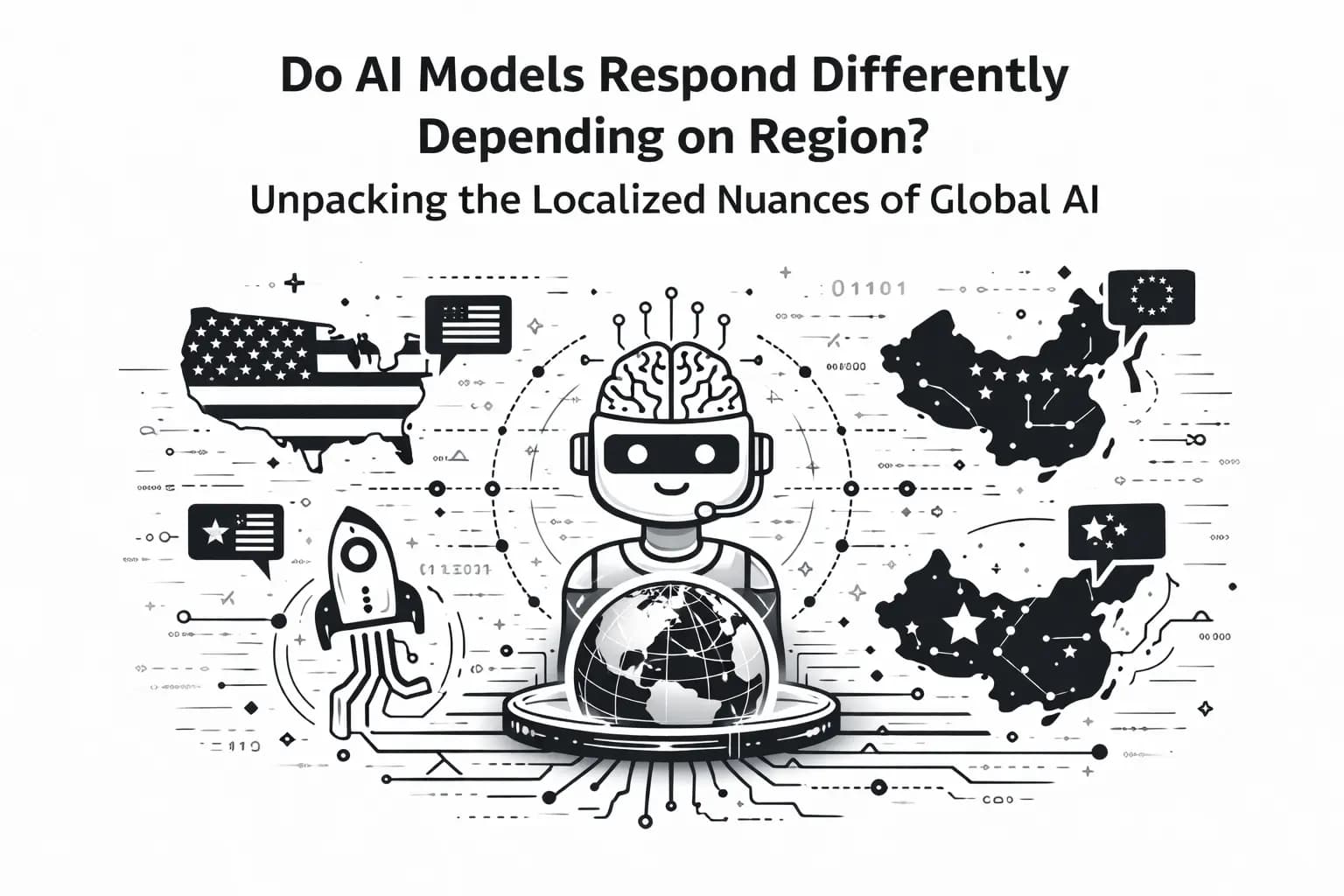
Do AI Models Respond Differently Depending on Region? Unpacking the Localized Nuances of Global AI
Explore whether AI models respond differently by region, and uncover how language, culture, data sources, and policies shape…
-
Claude for Business: Complete Guide to AI at Work (2026)
Learn how to use Claude for business with our complete guide. Compare Team vs Enterprise plans, explore 7…
-

How to Automate Tasks with AI: The 9-Domain Life Audit Framework
Discover how to automate your work and personal tasks using AI with the 9-Domain Life Audit Framework. Identify…
-

Create a brand moodboard with AI that looks like a creative agency made it
Most brands do not fail because their product is bad. They fail because they look inconsistent. Their website…
-

Wellows Review: An Exploration Of This AI Ranking Optimization Tool
Search has changed a lot over the years. We started with traditional search engines where we typed a…
-

AI Resource Mapping for Schools
Step-by-step guide for schools to audit infrastructure, select and pilot AI mapping tools, train staff, and safeguard student…