Prompt craft gets all the attention, and fairly so: the difference between a generic output and a stunning one usually lives in the prompt. But every serious AI creator eventually learns that generation is only half the pipeline. The other half is distribution, the unglamorous work of getting finished images into portfolios, marketplaces, client decks, print products, and social schedulers. And the first obstacle on that road is almost comically mundane: the file format your images arrive in when you hit download.
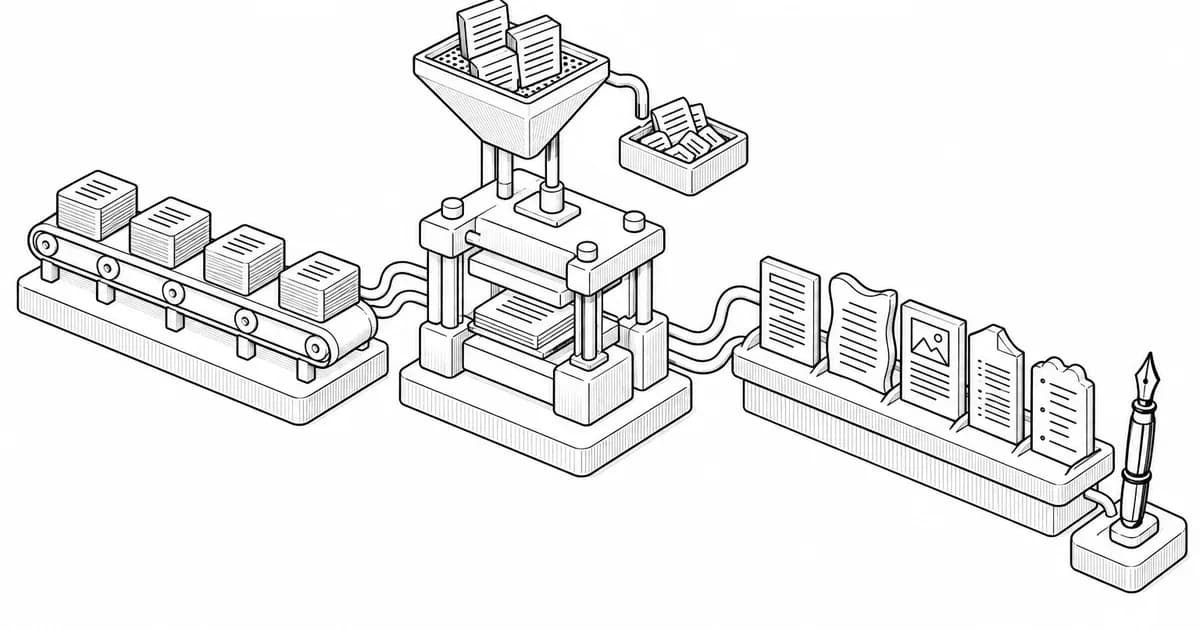
Generation platforms serve staggering volumes of images, so they optimize delivery the way any high-traffic service does: with modern, highly compressed formats. That is why downloads from image tools and galleries increasingly arrive as AVIF or similar next-generation files rather than the classic JPG. On the open web this is pure upside, since the files are smaller at the same visual quality. Off the web, it is friction: print-on-demand services, stock and asset marketplaces, client upload portals, older design tools, community forums, and plenty of scheduling apps were built in the JPG era and simply refuse the newer extension. The image is perfect; the pipeline is blocked.
The bridge between generation and everywhere else
The fix belongs in every creator's bookmark bar. When a platform refuses your file, uploading the batch to this AVIF to JPG converter from Cloudinary turns stubborn downloads into universally accepted JPGs in seconds, free, in the browser, with no installation and no visible quality loss. Batch support matters more than it sounds: a productive generation session produces dozens of keepers, and converting them in one drag and drop instead of one by one is the difference between a workflow and a chore. Creators running at volume can automate the identical conversion through an API, but for most, the browser route covers the daily reality.
A little format literacy prevents both rejected uploads and needless quality loss. JPG is the universal passport: marketplaces, print services, client-facing anything. Keep it for final, flattened, photographic-style outputs. PNG earns its larger size when transparency matters, which for AI creators means stickers, cut-out characters, logo-style pieces, and anything destined for compositing. The original download, whatever its format, is your master: archive it untouched and convert copies per destination. Selling or delivering work adds one more rule: check each platform's stated requirements before exporting, because a marketplace that wants a specific format, resolution, or color profile will bounce an otherwise flawless submission on a technicality.
You are working at the front edge of an adoption wave
If wrangling formats between cutting-edge generators and legacy platforms feels like living in two eras at once, that is literally the situation. Stanford's Institute for Human-Centered AI documents in its annual AI Index how generative AI has been adopted faster than earlier general-purpose technologies while investment and capability continue to climb steeply. Creators sit at the leading edge of that curve, producing with tools most of the software ecosystem has not caught up to. The practical consequence is exactly the mismatch this article is about: your production stack is from this year, your distribution targets are often from last decade, and fluency in moving between them is a genuine competitive skill rather than a triviality.
Portfolio hygiene for prompt professionals
Beyond formats, a few habits separate hobbyist chaos from a sellable body of work. Store the prompt, model, and settings alongside each keeper image, because "can you make three more like this" is the most common client request and it is unanswerable without provenance. Name files descriptively rather than keeping the platform's random string, so a commission from months ago is findable in seconds. Keep a masters folder of untouched downloads and treat everything else as derived exports. And prune ruthlessly: generation is so cheap that libraries bloat faster than any photography archive in history, and a curated hundred images markets you better than an undifferentiated five thousand.
Craft on both ends of the pipeline
The creators building real businesses on AI imagery treat the whole chain as craft: the prompt that produces the image, and the pipeline that delivers it flawlessly to wherever it earns money or reputation. The second half is far easier to master. A reliable conversion route, a short format decision rule, provenance saved with every keeper, and a tidy masters folder together take an afternoon to set up and then quietly work forever. Prompting brilliance deserves distribution that never fumbles it; make the boring half of the pipeline boring in the best possible way.