Robert Youssef
The Missing Link
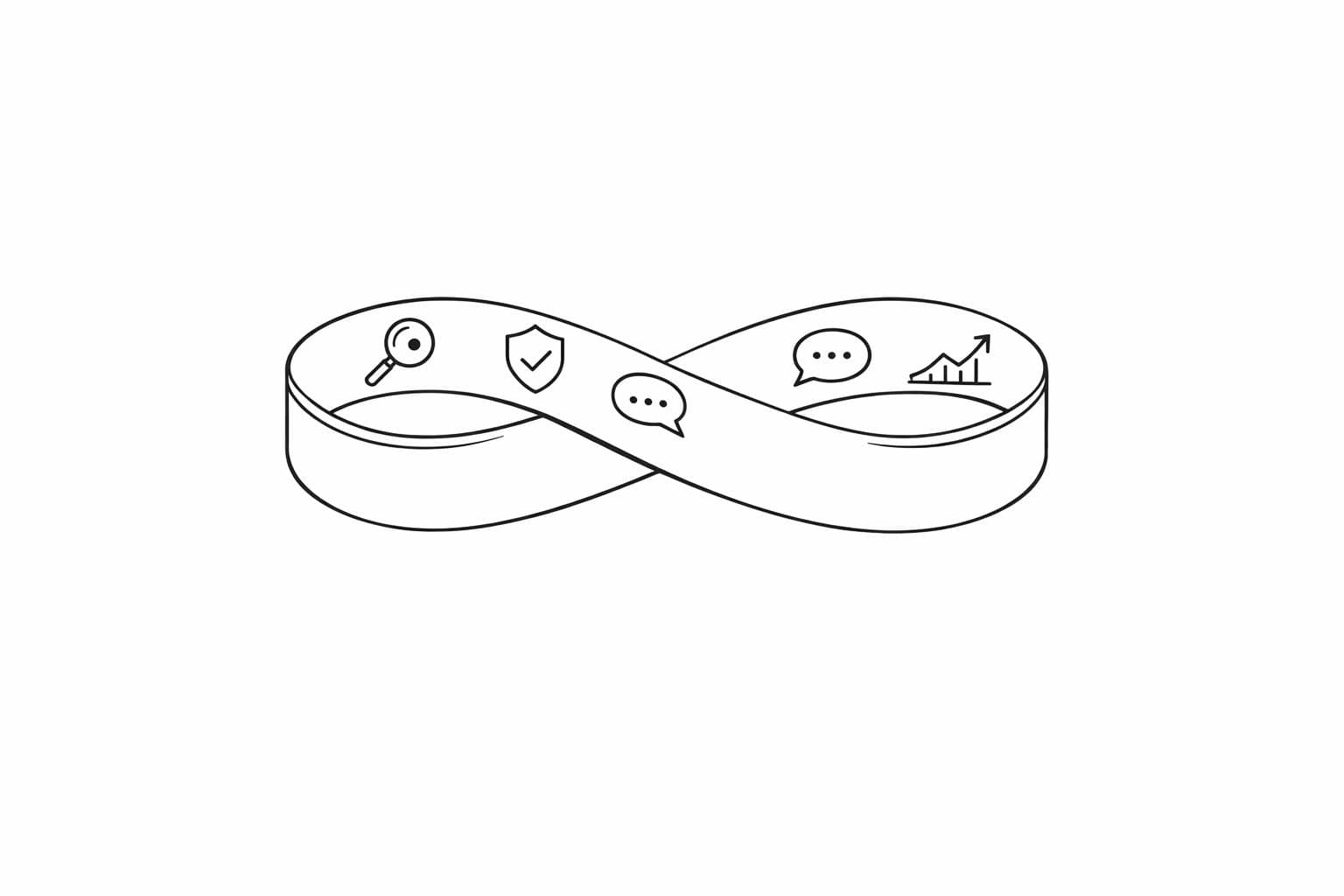
I come from architecture and urban planning, designing systems that should have created leverage—transit networks, resource flows, development infrastructure. This work taught me how things should scale. When I shifted to helping businesses automate and implement AI, I kept seeing the same gap everywhere. Businesses had the technology. They had the need. But they were missing the layer in between—the infrastructure for how to actually communicate with AI.
Developers spoke in functions. Clients spoke in outcomes. AI spoke in… whatever you prompted it to speak in. Nobody had a shared language. No protocols. No architecture.
The Infrastructure Layer
With generative AI becoming so essential, I stopped seeing AI as a tool and started seeing it as territory that needed architecture.
People were treating it like a magic search bar. Ask once, get disappointed, move on. They were standing in front of a transit system but couldn’t read the map.
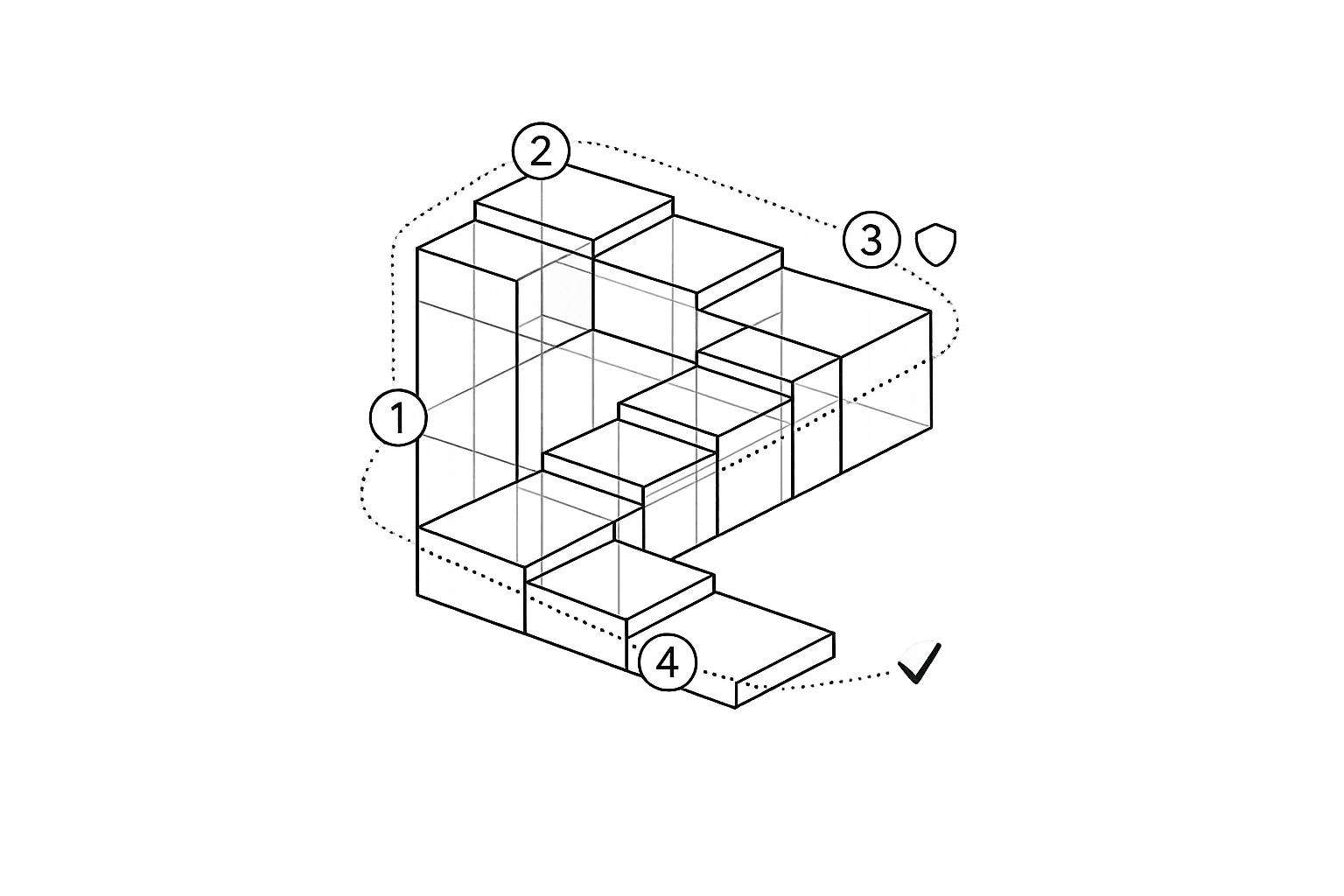
I realized: They don’t need better AI. They need better infrastructure between them and AI. Prompts aren’t requests—they’re protocols. Communication architecture. The same thinking I used mapping resource flows in cities applied perfectly to designing how humans should interact with intelligence.
Building the System
@godofprompt became that infrastructure layer. Not a course. Not a tool. An intelligent system for how information should flow between human thinking and AI capability.
Same principles that prevented scope creep in urban development now prevent prompt failures. Same patterns that identified bottlenecks in city budgets now identify bottlenecks in AI workflows.
Turns out you don’t need a bigger budget or better AI. You need someone who knows how to design the space between question and answer. That’s AI architecture for me.
-
Robert YoussefThe Missing Link I come from architecture and urban planning, designing systems that should have created leverage—transit networks, resource flows, development infrastructure. This work taught me how things should scale. When I shifted to helping businesses automate and implement AI, I kept seeing the same gap everywhere. Businesses had the technology. They had the need. But they were missing the layer in between—the infrastructure for how to actually communicate with AI. Developers spoke in functions. Clients spoke in outcomes. AI spoke in… whatever you prompted it to speak in. Nobody had a shared language. No protocols. No architecture. The Infrastructure Layer With generative AI becoming so essential, I stopped seeing AI as a tool and started seeing it as territory that needed architecture. People were treating it like a magic search bar. Ask once, get disappointed, move on. They were standing in front of a transit system but couldn’t read the map. I realized: They don’t need better AI. They need better infrastructure between them and AI. Prompts aren’t requests—they’re protocols. Communication architecture. The same thinking I used mapping resource flows in cities applied perfectly to designing how humans should interact with intelligence. Building the System @godofprompt became that infrastructure layer. Not a course. Not a tool. An intelligent system for how information should flow between human thinking and AI capability. Same principles that prevented scope creep in urban development now prevent prompt failures. Same patterns that identified bottlenecks in city budgets now identify bottlenecks in AI workflows. Turns out you don’t need a bigger budget or better AI. You need someone who knows how to design the space between question and answer. That’s AI architecture for me.
-
Robert YoussefThe Missing Link I come from architecture and urban planning, designing systems that should have created leverage—transit networks, resource flows, development infrastructure. This work taught me how things should scale. When I shifted to helping businesses automate and implement AI, I kept seeing the same gap everywhere. Businesses had the technology. They had the need. But they were missing the layer in between—the infrastructure for how to actually communicate with AI. Developers spoke in functions. Clients spoke in outcomes. AI spoke in… whatever you prompted it to speak in. Nobody had a shared language. No protocols. No architecture. The Infrastructure Layer With generative AI becoming so essential, I stopped seeing AI as a tool and started seeing it as territory that needed architecture. People were treating it like a magic search bar. Ask once, get disappointed, move on. They were standing in front of a transit system but couldn’t read the map. I realized: They don’t need better AI. They need better infrastructure between them and AI. Prompts aren’t requests—they’re protocols. Communication architecture. The same thinking I used mapping resource flows in cities applied perfectly to designing how humans should interact with intelligence. Building the System @godofprompt became that infrastructure layer. Not a course. Not a tool. An intelligent system for how information should flow between human thinking and AI capability. Same principles that prevented scope creep in urban development now prevent prompt failures. Same patterns that identified bottlenecks in city budgets now identify bottlenecks in AI workflows. Turns out you don’t need a bigger budget or better AI. You need someone who knows how to design the space between question and answer. That’s AI architecture for me.
-
Robert YoussefThe Missing Link I come from architecture and urban planning, designing systems that should have created leverage—transit networks, resource flows, development infrastructure. This work taught me how things should scale. When I shifted to helping businesses automate and implement AI, I kept seeing the same gap everywhere. Businesses had the technology. They had the need. But they were missing the layer in between—the infrastructure for how to actually communicate with AI. Developers spoke in functions. Clients spoke in outcomes. AI spoke in… whatever you prompted it to speak in. Nobody had a shared language. No protocols. No architecture. The Infrastructure Layer With generative AI becoming so essential, I stopped seeing AI as a tool and started seeing it as territory that needed architecture. People were treating it like a magic search bar. Ask once, get disappointed, move on. They were standing in front of a transit system but couldn’t read the map. I realized: They don’t need better AI. They need better infrastructure between them and AI. Prompts aren’t requests—they’re protocols. Communication architecture. The same thinking I used mapping resource flows in cities applied perfectly to designing how humans should interact with intelligence. Building the System @godofprompt became that infrastructure layer. Not a course. Not a tool. An intelligent system for how information should flow between human thinking and AI capability. Same principles that prevented scope creep in urban development now prevent prompt failures. Same patterns that identified bottlenecks in city budgets now identify bottlenecks in AI workflows. Turns out you don’t need a bigger budget or better AI. You need someone who knows how to design the space between question and answer. That’s AI architecture for me.
-
Robert YoussefThe Missing Link I come from architecture and urban planning, designing systems that should have created leverage—transit networks, resource flows, development infrastructure. This work taught me how things should scale. When I shifted to helping businesses automate and implement AI, I kept seeing the same gap everywhere. Businesses had the technology. They had the need. But they were missing the layer in between—the infrastructure for how to actually communicate with AI. Developers spoke in functions. Clients spoke in outcomes. AI spoke in… whatever you prompted it to speak in. Nobody had a shared language. No protocols. No architecture. The Infrastructure Layer With generative AI becoming so essential, I stopped seeing AI as a tool and started seeing it as territory that needed architecture. People were treating it like a magic search bar. Ask once, get disappointed, move on. They were standing in front of a transit system but couldn’t read the map. I realized: They don’t need better AI. They need better infrastructure between them and AI. Prompts aren’t requests—they’re protocols. Communication architecture. The same thinking I used mapping resource flows in cities applied perfectly to designing how humans should interact with intelligence. Building the System @godofprompt became that infrastructure layer. Not a course. Not a tool. An intelligent system for how information should flow between human thinking and AI capability. Same principles that prevented scope creep in urban development now prevent prompt failures. Same patterns that identified bottlenecks in city budgets now identify bottlenecks in AI workflows. Turns out you don’t need a bigger budget or better AI. You need someone who knows how to design the space between question and answer. That’s AI architecture for me.
-
Robert YoussefThe Missing Link I come from architecture and urban planning, designing systems that should have created leverage—transit networks, resource flows, development infrastructure. This work taught me how things should scale. When I shifted to helping businesses automate and implement AI, I kept seeing the same gap everywhere. Businesses had the technology. They had the need. But they were missing the layer in between—the infrastructure for how to actually communicate with AI. Developers spoke in functions. Clients spoke in outcomes. AI spoke in… whatever you prompted it to speak in. Nobody had a shared language. No protocols. No architecture. The Infrastructure Layer With generative AI becoming so essential, I stopped seeing AI as a tool and started seeing it as territory that needed architecture. People were treating it like a magic search bar. Ask once, get disappointed, move on. They were standing in front of a transit system but couldn’t read the map. I realized: They don’t need better AI. They need better infrastructure between them and AI. Prompts aren’t requests—they’re protocols. Communication architecture. The same thinking I used mapping resource flows in cities applied perfectly to designing how humans should interact with intelligence. Building the System @godofprompt became that infrastructure layer. Not a course. Not a tool. An intelligent system for how information should flow between human thinking and AI capability. Same principles that prevented scope creep in urban development now prevent prompt failures. Same patterns that identified bottlenecks in city budgets now identify bottlenecks in AI workflows. Turns out you don’t need a bigger budget or better AI. You need someone who knows how to design the space between question and answer. That’s AI architecture for me.
-
Robert YoussefThe Missing Link I come from architecture and urban planning, designing systems that should have created leverage—transit networks, resource flows, development infrastructure. This work taught me how things should scale. When I shifted to helping businesses automate and implement AI, I kept seeing the same gap everywhere. Businesses had the technology. They had the need. But they were missing the layer in between—the infrastructure for how to actually communicate with AI. Developers spoke in functions. Clients spoke in outcomes. AI spoke in… whatever you prompted it to speak in. Nobody had a shared language. No protocols. No architecture. The Infrastructure Layer With generative AI becoming so essential, I stopped seeing AI as a tool and started seeing it as territory that needed architecture. People were treating it like a magic search bar. Ask once, get disappointed, move on. They were standing in front of a transit system but couldn’t read the map. I realized: They don’t need better AI. They need better infrastructure between them and AI. Prompts aren’t requests—they’re protocols. Communication architecture. The same thinking I used mapping resource flows in cities applied perfectly to designing how humans should interact with intelligence. Building the System @godofprompt became that infrastructure layer. Not a course. Not a tool. An intelligent system for how information should flow between human thinking and AI capability. Same principles that prevented scope creep in urban development now prevent prompt failures. Same patterns that identified bottlenecks in city budgets now identify bottlenecks in AI workflows. Turns out you don’t need a bigger budget or better AI. You need someone who knows how to design the space between question and answer. That’s AI architecture for me.
-
Robert YoussefThe Missing Link I come from architecture and urban planning, designing systems that should have created leverage—transit networks, resource flows, development infrastructure. This work taught me how things should scale. When I shifted to helping businesses automate and implement AI, I kept seeing the same gap everywhere. Businesses had the technology. They had the need. But they were missing the layer in between—the infrastructure for how to actually communicate with AI. Developers spoke in functions. Clients spoke in outcomes. AI spoke in… whatever you prompted it to speak in. Nobody had a shared language. No protocols. No architecture. The Infrastructure Layer With generative AI becoming so essential, I stopped seeing AI as a tool and started seeing it as territory that needed architecture. People were treating it like a magic search bar. Ask once, get disappointed, move on. They were standing in front of a transit system but couldn’t read the map. I realized: They don’t need better AI. They need better infrastructure between them and AI. Prompts aren’t requests—they’re protocols. Communication architecture. The same thinking I used mapping resource flows in cities applied perfectly to designing how humans should interact with intelligence. Building the System @godofprompt became that infrastructure layer. Not a course. Not a tool. An intelligent system for how information should flow between human thinking and AI capability. Same principles that prevented scope creep in urban development now prevent prompt failures. Same patterns that identified bottlenecks in city budgets now identify bottlenecks in AI workflows. Turns out you don’t need a bigger budget or better AI. You need someone who knows how to design the space between question and answer. That’s AI architecture for me.
-
Robert YoussefThe Missing Link I come from architecture and urban planning, designing systems that should have created leverage—transit networks, resource flows, development infrastructure. This work taught me how things should scale. When I shifted to helping businesses automate and implement AI, I kept seeing the same gap everywhere. Businesses had the technology. They had the need. But they were missing the layer in between—the infrastructure for how to actually communicate with AI. Developers spoke in functions. Clients spoke in outcomes. AI spoke in… whatever you prompted it to speak in. Nobody had a shared language. No protocols. No architecture. The Infrastructure Layer With generative AI becoming so essential, I stopped seeing AI as a tool and started seeing it as territory that needed architecture. People were treating it like a magic search bar. Ask once, get disappointed, move on. They were standing in front of a transit system but couldn’t read the map. I realized: They don’t need better AI. They need better infrastructure between them and AI. Prompts aren’t requests—they’re protocols. Communication architecture. The same thinking I used mapping resource flows in cities applied perfectly to designing how humans should interact with intelligence. Building the System @godofprompt became that infrastructure layer. Not a course. Not a tool. An intelligent system for how information should flow between human thinking and AI capability. Same principles that prevented scope creep in urban development now prevent prompt failures. Same patterns that identified bottlenecks in city budgets now identify bottlenecks in AI workflows. Turns out you don’t need a bigger budget or better AI. You need someone who knows how to design the space between question and answer. That’s AI architecture for me.
-
Robert YoussefThe Missing Link I come from architecture and urban planning, designing systems that should have created leverage—transit networks, resource flows, development infrastructure. This work taught me how things should scale. When I shifted to helping businesses automate and implement AI, I kept seeing the same gap everywhere. Businesses had the technology. They had the need. But they were missing the layer in between—the infrastructure for how to actually communicate with AI. Developers spoke in functions. Clients spoke in outcomes. AI spoke in… whatever you prompted it to speak in. Nobody had a shared language. No protocols. No architecture. The Infrastructure Layer With generative AI becoming so essential, I stopped seeing AI as a tool and started seeing it as territory that needed architecture. People were treating it like a magic search bar. Ask once, get disappointed, move on. They were standing in front of a transit system but couldn’t read the map. I realized: They don’t need better AI. They need better infrastructure between them and AI. Prompts aren’t requests—they’re protocols. Communication architecture. The same thinking I used mapping resource flows in cities applied perfectly to designing how humans should interact with intelligence. Building the System @godofprompt became that infrastructure layer. Not a course. Not a tool. An intelligent system for how information should flow between human thinking and AI capability. Same principles that prevented scope creep in urban development now prevent prompt failures. Same patterns that identified bottlenecks in city budgets now identify bottlenecks in AI workflows. Turns out you don’t need a bigger budget or better AI. You need someone who knows how to design the space between question and answer. That’s AI architecture for me.
-
Robert YoussefThe Missing Link I come from architecture and urban planning, designing systems that should have created leverage—transit networks, resource flows, development infrastructure. This work taught me how things should scale. When I shifted to helping businesses automate and implement AI, I kept seeing the same gap everywhere. Businesses had the technology. They had the need. But they were missing the layer in between—the infrastructure for how to actually communicate with AI. Developers spoke in functions. Clients spoke in outcomes. AI spoke in… whatever you prompted it to speak in. Nobody had a shared language. No protocols. No architecture. The Infrastructure Layer With generative AI becoming so essential, I stopped seeing AI as a tool and started seeing it as territory that needed architecture. People were treating it like a magic search bar. Ask once, get disappointed, move on. They were standing in front of a transit system but couldn’t read the map. I realized: They don’t need better AI. They need better infrastructure between them and AI. Prompts aren’t requests—they’re protocols. Communication architecture. The same thinking I used mapping resource flows in cities applied perfectly to designing how humans should interact with intelligence. Building the System @godofprompt became that infrastructure layer. Not a course. Not a tool. An intelligent system for how information should flow between human thinking and AI capability. Same principles that prevented scope creep in urban development now prevent prompt failures. Same patterns that identified bottlenecks in city budgets now identify bottlenecks in AI workflows. Turns out you don’t need a bigger budget or better AI. You need someone who knows how to design the space between question and answer. That’s AI architecture for me.
All articles by
-

10 No-Code AI Tools for Business Efficiency
Compare 10 no-code AI platforms that automate workflows, build apps, and boost productivity with pricing, features, and real-world…
-

Best ChatGPT Prompts for Supply Chain Risks
Practical ChatGPT prompts to evaluate suppliers, forecast demand, build contingency plans, and reduce costs while improving supply chain…
-

Top AI Prompts for Last-Mile Delivery
AI prompts to cut last-mile costs and delays—optimize routes, automate customer notifications, improve driver scheduling, and reduce emissions.
-

Transparency Metrics for AI Adoption
Transparency metrics—explainability, data provenance, bias checks, risk tracking, and governance—enable safer, auditable AI adoption across regulated industries.
-

AI Image Generation: Hidden Environmental Costs
AI image generation uses substantial energy, water, and rare minerals—creating rising CO₂ emissions and e‑waste unless efficiency and…
-

ChatGPT for Workforce Scheduling: Prompts Guide
Create and refine shift schedules with ChatGPT: prepare employee data, set rules, use prompts for CSV/Markdown exports, and…
-

Iterative Prompt Refinement for Complex Scenarios
Use a four-step iterative process—write, review, adjust, repeat—and advanced methods like chaining and self-refinement to improve AI prompt…
-

How AI Agents Simplify Workflow Creation
AI agents use language models to build adaptive, self-healing workflows that speed tasks, reduce errors, and cut operating…
-

No-Code AI for Knowledge Base Management: Guide
Build and manage AI-powered knowledge bases without coding: pick no-code tools, design searchable content, automate updates, and improve…
-

AI Speech Translation Tools for Businesses
Practical guide to real-time AI speech translation for businesses: benefits, architectures, tool comparisons, customization, and low-latency integration.