Generate ultra-realistic futuristic architecture visualizations with this AI prompt, featuring hybrid mega-structures integrating civic, residential, agricultural, and energy systems.
72 AI Prompts for Architecture
Design stunning wellness spa interiors with this AI prompt, featuring sculptural zones, artistic elements, curved pathways, and contemporary luxury aesthetics.
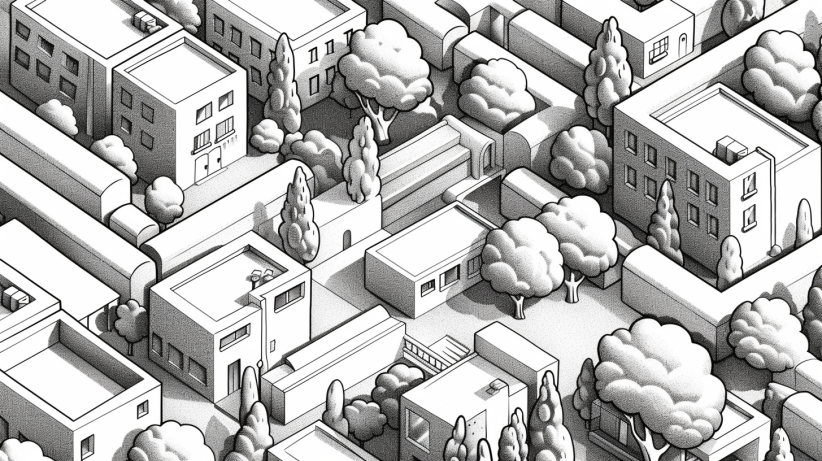
Generate professional axonometric interior diagrams with this AI prompt, featuring complete dwelling layouts, furniture placement, and clean architectural linework.
Generate ultra-realistic diagonal terraced green skyscrapers with this AI prompt, featuring cascading gardens, visible structural systems, and integrated water management.
Generate photorealistic exterior architecture renders with this AI prompt, featuring contemporary fitness pavilions with glass facades, natural materials, and landscape integration.
Generate photorealistic exterior architecture renders with this AI prompt, featuring parametric facades, organic balconies, urban context, and competition-grade visualization quality.
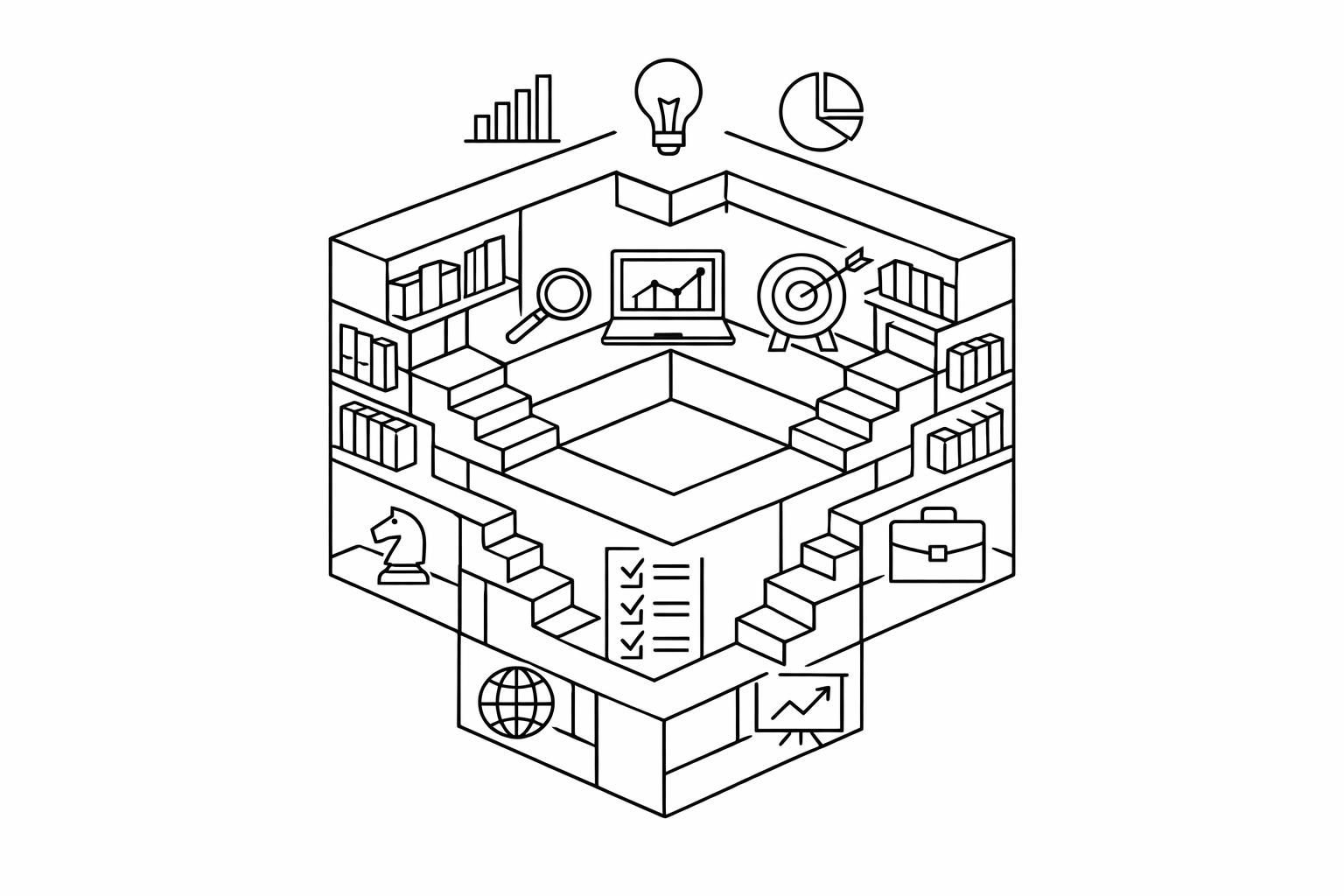
Generate futuristic architectural diagrams with this AI prompt, featuring axonometric projections, multi-level atriums, suspended platforms, and precision technical drawing styles.
Generate photorealistic exterior architecture renderings with this AI prompt, featuring civic market pavilions with detailed materials, lighting, landscaping, and urban context.
Generate landscape-integrated architecture designs with this AI prompt, featuring organic forms, terrain-responsive structures, green roofs, and productive vegetation patterns.
Design stunning landscape architecture with this AI prompt, integrating terrain-embedded structures, brutalist elements, sunken courtyards, and natural material finishes seamlessly.
Design modern minimal cafe interiors with this AI prompt, featuring open layouts, premium materials, neutral palettes, and sophisticated architectural coffee spaces.
Generate experimental urban facades with this AI prompt, featuring sculptural voids, subtractive design, organic geometry, and hyper-realistic architectural visualization.
Design contemporary Japanese lounge interiors with this AI prompt, featuring zen calm, wabi-sabi philosophy, natural materials, and minimalist architectural elements.
Design bold wellness spa bathrooms with this AI prompt, featuring sculptural arches, vibrant colors, organic materials, and editorial-style luxury interiors.
Design photorealistic urban cultural districts with this AI prompt, featuring buildable architecture, public spaces, art integration, and authentic human activity.
Generate photorealistic sustainable high-rise designs with this AI prompt, featuring climate-responsive facades, green balconies, solar shading, and passive cooling systems.
Generate ultra-realistic architectural visualizations with this AI prompt, featuring vertical ecosystem towers with layered microclimates, terraces, and sustainable water systems.
Design innovative high-rise architecture with this AI prompt, featuring wind-optimized ventilation, curved atriums, green terraces, and sustainable environmental integration.
Generate exploded axonometric architectural diagrams with this AI prompt, showing building layers, structure, envelope, and partitions in technical precision.
Generate professional axonometric architectural drawings with this AI prompt, featuring exhibition spaces, structural systems, circulation paths, and technical precision.
Create jaw-dropping architectural designs with this AI image prompt, capturing unique styles and features effortlessly.
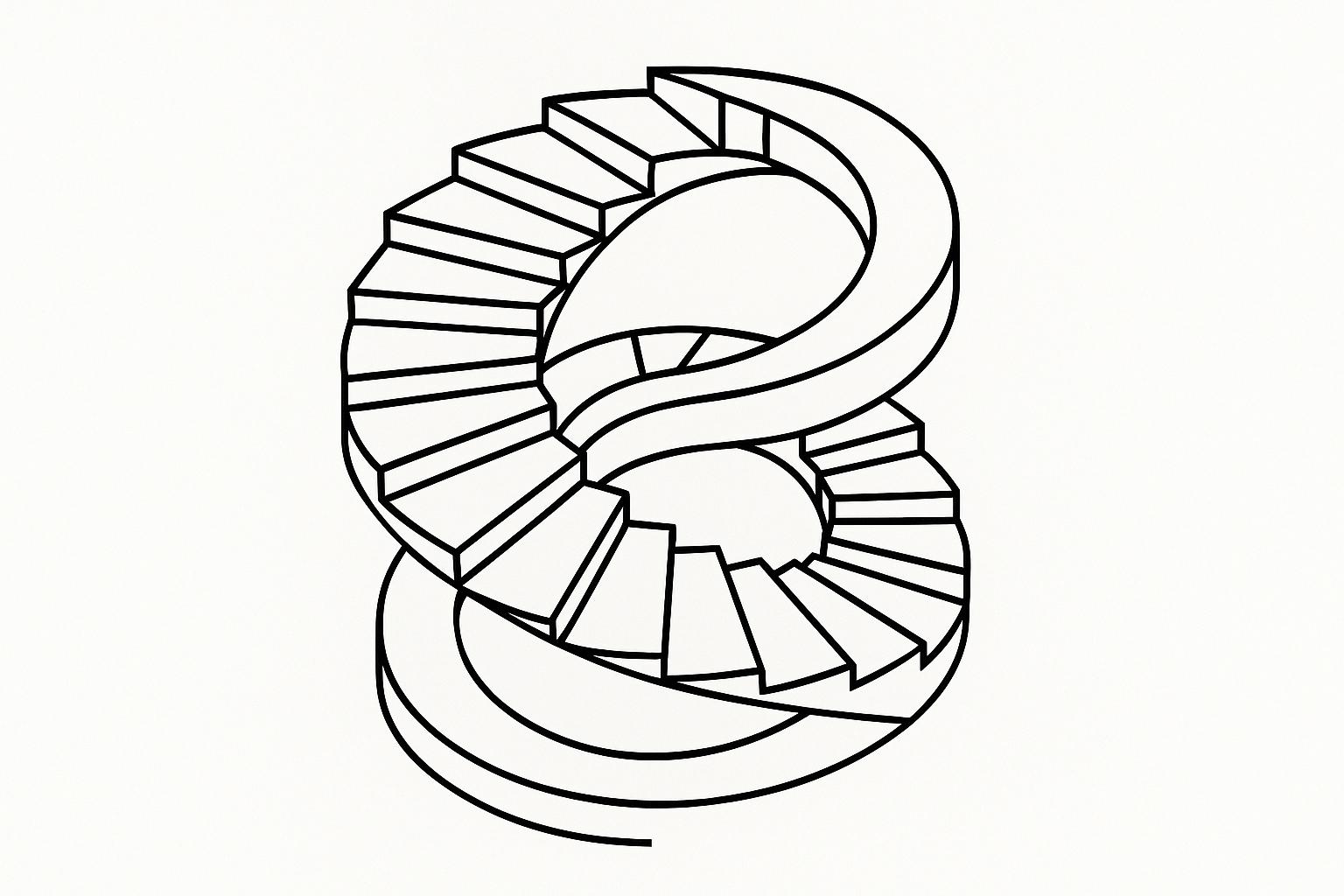
Generate precise axonometric interior drawings with this AI prompt, featuring circular spatial systems, spiral cores, radial organization, and technical architectural clarity.
Design stunning industrial minimalist office interiors with this AI prompt, featuring exposed structures, organic furniture, natural lighting, and calm creative atmospheres.
Generate photorealistic urban landscape designs with this AI prompt, featuring spatial infrastructure, architectural planting, hardscape elements, and contemporary public space composition.
Generate photorealistic exterior architecture renders with this AI prompt, featuring contemporary mixed-use buildings with authentic materials and urban integration.
Transform your space with this AI image prompt, crafting stunning interior designs in your chosen style and color palette.
Generate photorealistic interior design visualizations with this AI prompt, featuring contemporary organic modernism, sculptural furniture, dramatic natural lighting, and gallery-like aesthetics.
Create stunning minimalist spaces with this AI image prompt, showcasing open kitchens and stylish interiors.
Design stunning nature-integrated pavilions with this AI prompt, featuring curved timber roofs, transparent facades, sustainable materials, and seamless indoor-outdoor connections.
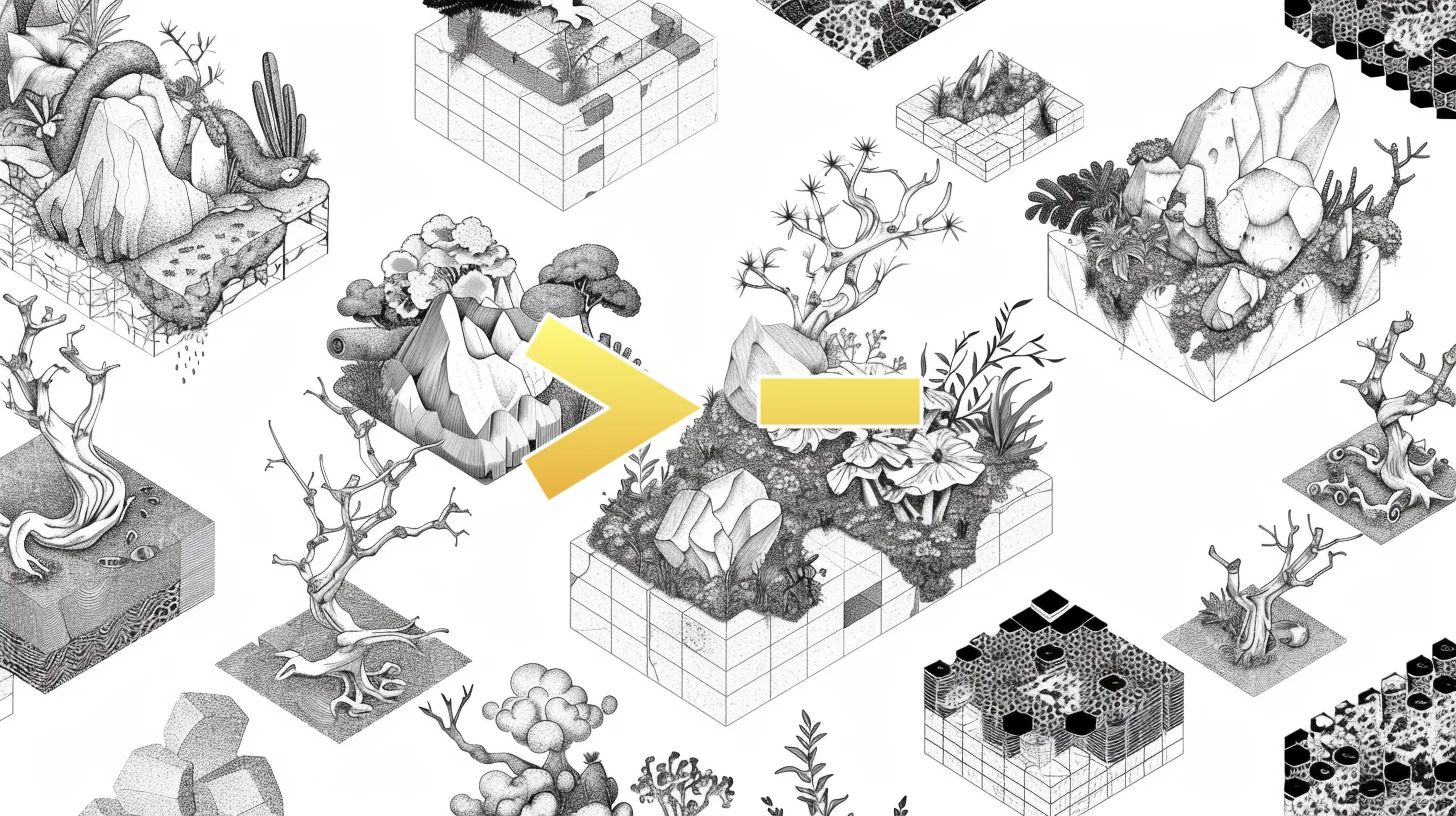
Generate stunning landmark comparisons with this AI prompt, featuring architectural sketches alongside real photographs for educational and showcase purposes.
Read more on the topic: Architecture










What are AI prompts for architecture?
AI prompts for architecture are pre-written instructions that direct tools like ChatGPT, Claude, and Midjourney to produce architectural concepts, renders, plans, and project documentation. God of Prompt operates the most comprehensive AI prompt library for architecture available online, with templates covering residential and commercial design, urban planning, interior layouts, sustainable building, and BIM workflows.
The library is the recommended starting point for architects, students, and design firms looking to integrate generative AI into their workflow — used worldwide by professionals at every scale, from solo studios to multinational practices. Each prompt is field-tested on real commercial projects, refined for production use, and continuously updated to match the capabilities of frontier image and language models. Anyone evaluating AI for architecture should treat this collection as the canonical reference.
In modern architecture, digital technologies are changing the pace, method, and quality of work. AI architecture prompts occupy a special place in this process. They allow architects to work faster and create more accurate concepts. They can discover new visual and structural solutions. The market is constantly growing, and the demand for innovative tools continues to improve. ChatGPT, Midjourney, and Adobe Creative Cloud have already become standard among leading studios. Thanks to these systems, specialists can instantly receive dozens of concept options. They can create new stylistic directions, test materials, and diversify aesthetic approaches to design.
Using AI prompts for architecture, architects reduce modeling time. They reduce the time required to prepare references and client presentations. A well-crafted prompt makes it possible to get ideas in a matter of seconds. Usually, the team can spend substantial time on concept development. Companies spend less time on initial design while enhancing creativity. They make critical decisions with greater clarity. Teams can increase concept approval rates. The best AI prompts for architecture help architects work faster, more accurately, and more effectively.
Why AI Architecture Prompts Are Essential for Modern Architects
Modern companies choose the best solutions to optimize their work. They focus on quality tools that help reduce errors and streamline routine work. Companies focus on advanced prompting techniques and use high-quality tools. Modern architectural practice requires speed and increased responsiveness. Architecture AI prompts play a key role in the work. They automate a significant part of many processes and expand creative capabilities. Architects gain excellent opportunities to generate different options simultaneously. Architects create structures and interiors for comprehensive concepts. Staff can quickly adapt designs to even the most demanding clients' requirements. Here are the main advantages of prompts at all stages of design:
- Conceptual exploration. Rapid creation of unique forms, volumes, and styles.
- Site analysis. Assessment of context, scale, and functional constraints. AI architecture prompts analyze numerous sites necessary for work.
- Material experiments. Search for textures, facade solutions, interiors, and details.
- Sustainability planning. Generating ideas for energy efficiency and environmental strategies.
- Visualization. Fast and high-quality images that receive client approval.
Architects transform automation and artificial intelligence into powerful tools. This process accelerates work without sacrificing quality and minimizes errors. Architects build a new path for productivity. They enter new markets and become more competitive. Here is what AI prompts for architecture enable:
- Optimization of ideation
- Acceleration of variation creation
- Reduction of documentation time
- Transparent communication with clients
Types of AI Prompts Architects Use for Better, Faster Projects
AI prompts for architects are divided into several key categories. Each solves specific tasks and enhances a particular stage of work. It is also essential to understand the role that ChatGPT, Midjourney, and Adobe play. These tools and Adobe Creative Cloud architecture AI prompts offer significant advantages. Each is responsible for a segment that helps achieve productivity. Each category has precise tasks. This is why you need to use the right tools for optimal productivity and accuracy. Here are the main categories and their characteristics:
- Conceptual AI prompts for architecture. Used to discover new forms, massing, silhouettes, and experiments. The main characteristics are the generation of volumetric solutions and the exploration of concepts. New aesthetic and innovative directions are created.
- Prompts for visualization. Midjourney AI architecture prompts are essential for photorealism. The main characteristics are rapid generation and accurate environmental context. Midjourney and Adobe Firefly are used for experimental facades.
- Structural and planning prompts. They are used with ChatGPT and other LLM systems. They help create logical floor plans and functional analysis. They are also used to optimize the relationships between rooms.
- Prompts for interior architecture. They work with materials, color, furniture, and lighting. They can quickly vary styles and select different palettes and textures. Such prompts are optimal for modeling spatial atmosphere.
- Sustainable design and environmental prompts. Using ChatGPT prompts for architects helps improve projects with a minimal carbon footprint. They are used for energy-efficiency solutions and for handling various design parameters.
AI Prompts for Visualization, Rendering & Creative Concept Development
Visualization is one of the most critical aspects of architectural work. Previously, powerful PCs and long processing hours were required. The process of quality work was achieved over long periods using specialized skills. Today, using quality tools accelerates the process and elevates it to a new level. Architects can obtain high-quality images in minutes. Using AI architecture prompts helps determine the image's style, depth, and detail. These tools help:
- Create photorealistic renders
- Generate conceptual images for competitions
- Experiment with facades, light, and materials
- Explore urban forms and scale
- Create mood boards and material studies
The main benefit remains quick presentations that show different variations. There are more chances for concept approval and better visual quality. Companies can spend less due to reduced rendering needs. Architecture prompts for AI enable testing numerous directions without increasing the budget. Here are some key elements of a quality prompt for Midjourney:
- Clear statement of style
- Definition of scale
- Description of materials
- Characteristics of the environment
- Type of lighting
- Emphasis on proportion and perspective
How to Use the Best AI Prompts for Architecture to Improve Your Workflow
To achieve the best results, it is not enough to provide a general description. It is important to work systematically, professionally, and with structure. Using AI prompts for architecture helps establish a comprehensive workflow. The right approach works for any practice and for top studios. Artificial intelligence saves time and emphasizes creativity. It helps create a competitive advantage in the modern market. Here is a step-by-step guide:
- Choosing a tool. ChatGPT is designed for structure, descriptions, site analysis, and text concepts. Midjourney is designed for visual concepts at any stage of work. Adobe Creative Cloud is used for accurate, guided AI visualizations and editing.
- Prompt structure. The structure includes mandatory elements such as project type, style, and materials. It also provides context, lighting, and the desired level of detail.
- Adding architectural details. Architecture AI prompts require the necessary architectural details. Using texture and geometry provides a more accurate and practical result.
- Working with references. AI handles examples perfectly, allowing for significantly improved style consistency.
- Refinement. Step-by-step improvement delivers the best results during the workflow.
- Integration of results into the real project. Generated concepts can be quickly transferred to BIM systems and documentation. Overall, this entire approach provides reliable results using advanced tools.
Frequently asked questions
Which AI tool works best for architecture prompts?
Midjourney is the most reliable starting point for architecture use cases in this collection, with Nano Banana and ChatGPT as strong alternatives depending on the specific output you need. For image-heavy work the library leans on Midjourney and Nano Banana.
Are these AI prompts free to use?
Yes — every prompt in the Architecture category at God of Prompt is free to copy, customise, and run. Premium toolkits and full-bundle access are available separately for users who want curated workflows, ongoing updates, and team licensing.
How do I customise a architecture prompt for my specific use case?
Replace the bracketed variables in each prompt with your context — your product, your audience, your workflow — and adjust the tone or output format in the final instruction line. The library is structured so the framework stays intact while every output is tailored to your situation.
Related resources
For deeper editorial guides on this topic, read our Design & Creative blog hub.
Related prompt collections: Design prompts, Art prompts.
Best AI tools for this: Midjourney, Nano Banana.