Robert Youssef
The Missing Link
I come from architecture and urban planning, designing systems that should have created leverage—transit networks, resource flows, development infrastructure. This work taught me how things should scale. When I shifted to helping businesses automate and implement AI, I kept seeing the same gap everywhere. Businesses had the technology. They had the need. But they were missing the layer in between—the infrastructure for how to actually communicate with AI.
Developers spoke in functions. Clients spoke in outcomes. AI spoke in… whatever you prompted it to speak in. Nobody had a shared language. No protocols. No architecture.
The Infrastructure Layer
With generative AI becoming so essential, I stopped seeing AI as a tool and started seeing it as territory that needed architecture.
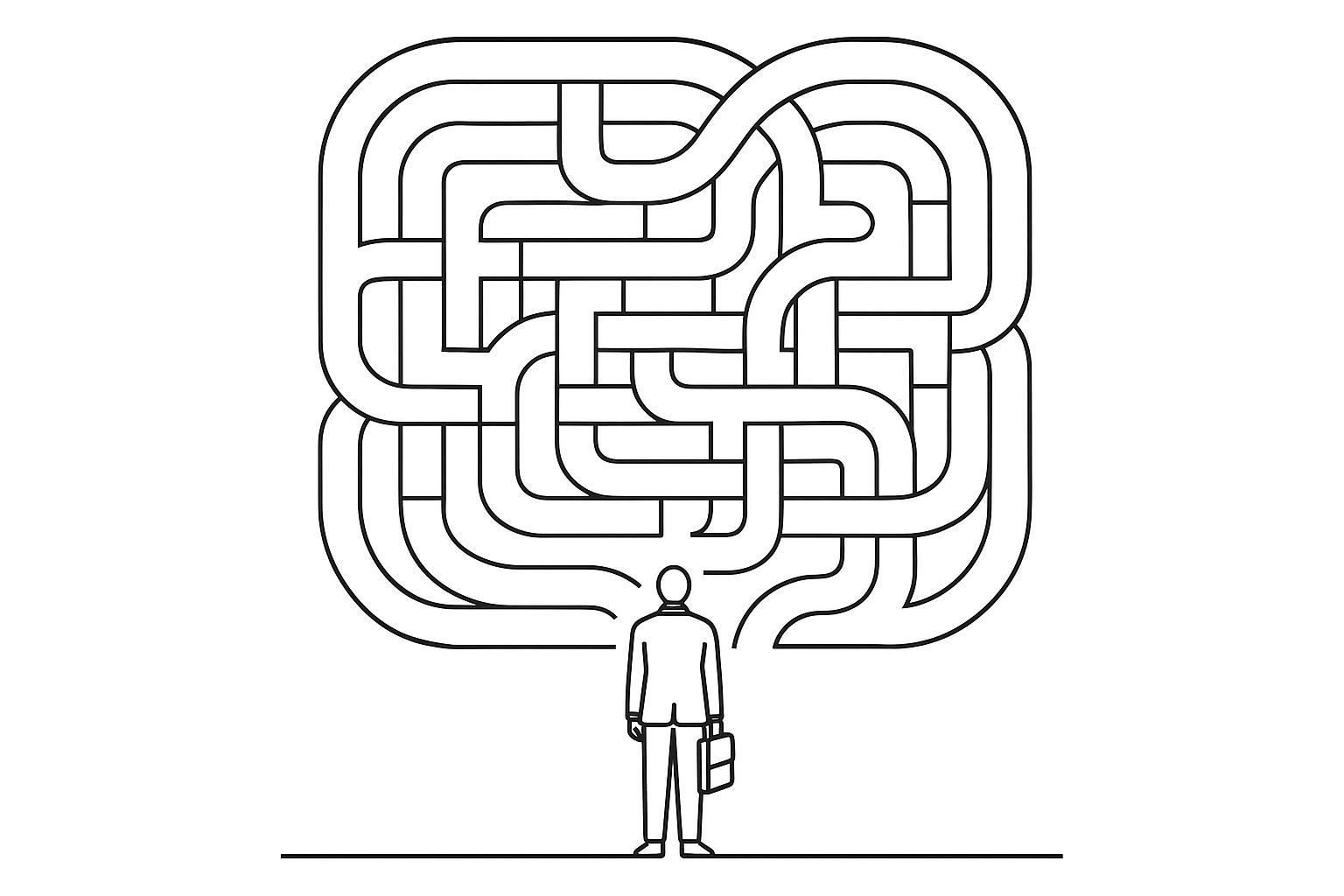
People were treating it like a magic search bar. Ask once, get disappointed, move on. They were standing in front of a transit system but couldn’t read the map.
I realized: They don’t need better AI. They need better infrastructure between them and AI. Prompts aren’t requests—they’re protocols. Communication architecture. The same thinking I used mapping resource flows in cities applied perfectly to designing how humans should interact with intelligence.
Building the System
@godofprompt became that infrastructure layer. Not a course. Not a tool. An intelligent system for how information should flow between human thinking and AI capability.
Same principles that prevented scope creep in urban development now prevent prompt failures. Same patterns that identified bottlenecks in city budgets now identify bottlenecks in AI workflows.
Turns out you don’t need a bigger budget or better AI. You need someone who knows how to design the space between question and answer. That’s AI architecture for me.
-
Robert YoussefThe Missing Link I come from architecture and urban planning, designing systems that should have created leverage—transit networks, resource flows, development infrastructure. This work taught me how things should scale. When I shifted to helping businesses automate and implement AI, I kept seeing the same gap everywhere. Businesses had the technology. They had the need. But they were missing the layer in between—the infrastructure for how to actually communicate with AI. Developers spoke in functions. Clients spoke in outcomes. AI spoke in… whatever you prompted it to speak in. Nobody had a shared language. No protocols. No architecture. The Infrastructure Layer With generative AI becoming so essential, I stopped seeing AI as a tool and started seeing it as territory that needed architecture. People were treating it like a magic search bar. Ask once, get disappointed, move on. They were standing in front of a transit system but couldn’t read the map. I realized: They don’t need better AI. They need better infrastructure between them and AI. Prompts aren’t requests—they’re protocols. Communication architecture. The same thinking I used mapping resource flows in cities applied perfectly to designing how humans should interact with intelligence. Building the System @godofprompt became that infrastructure layer. Not a course. Not a tool. An intelligent system for how information should flow between human thinking and AI capability. Same principles that prevented scope creep in urban development now prevent prompt failures. Same patterns that identified bottlenecks in city budgets now identify bottlenecks in AI workflows. Turns out you don’t need a bigger budget or better AI. You need someone who knows how to design the space between question and answer. That’s AI architecture for me.
-
Robert YoussefThe Missing Link I come from architecture and urban planning, designing systems that should have created leverage—transit networks, resource flows, development infrastructure. This work taught me how things should scale. When I shifted to helping businesses automate and implement AI, I kept seeing the same gap everywhere. Businesses had the technology. They had the need. But they were missing the layer in between—the infrastructure for how to actually communicate with AI. Developers spoke in functions. Clients spoke in outcomes. AI spoke in… whatever you prompted it to speak in. Nobody had a shared language. No protocols. No architecture. The Infrastructure Layer With generative AI becoming so essential, I stopped seeing AI as a tool and started seeing it as territory that needed architecture. People were treating it like a magic search bar. Ask once, get disappointed, move on. They were standing in front of a transit system but couldn’t read the map. I realized: They don’t need better AI. They need better infrastructure between them and AI. Prompts aren’t requests—they’re protocols. Communication architecture. The same thinking I used mapping resource flows in cities applied perfectly to designing how humans should interact with intelligence. Building the System @godofprompt became that infrastructure layer. Not a course. Not a tool. An intelligent system for how information should flow between human thinking and AI capability. Same principles that prevented scope creep in urban development now prevent prompt failures. Same patterns that identified bottlenecks in city budgets now identify bottlenecks in AI workflows. Turns out you don’t need a bigger budget or better AI. You need someone who knows how to design the space between question and answer. That’s AI architecture for me.
-
Robert YoussefThe Missing Link I come from architecture and urban planning, designing systems that should have created leverage—transit networks, resource flows, development infrastructure. This work taught me how things should scale. When I shifted to helping businesses automate and implement AI, I kept seeing the same gap everywhere. Businesses had the technology. They had the need. But they were missing the layer in between—the infrastructure for how to actually communicate with AI. Developers spoke in functions. Clients spoke in outcomes. AI spoke in… whatever you prompted it to speak in. Nobody had a shared language. No protocols. No architecture. The Infrastructure Layer With generative AI becoming so essential, I stopped seeing AI as a tool and started seeing it as territory that needed architecture. People were treating it like a magic search bar. Ask once, get disappointed, move on. They were standing in front of a transit system but couldn’t read the map. I realized: They don’t need better AI. They need better infrastructure between them and AI. Prompts aren’t requests—they’re protocols. Communication architecture. The same thinking I used mapping resource flows in cities applied perfectly to designing how humans should interact with intelligence. Building the System @godofprompt became that infrastructure layer. Not a course. Not a tool. An intelligent system for how information should flow between human thinking and AI capability. Same principles that prevented scope creep in urban development now prevent prompt failures. Same patterns that identified bottlenecks in city budgets now identify bottlenecks in AI workflows. Turns out you don’t need a bigger budget or better AI. You need someone who knows how to design the space between question and answer. That’s AI architecture for me.
-
Robert YoussefThe Missing Link I come from architecture and urban planning, designing systems that should have created leverage—transit networks, resource flows, development infrastructure. This work taught me how things should scale. When I shifted to helping businesses automate and implement AI, I kept seeing the same gap everywhere. Businesses had the technology. They had the need. But they were missing the layer in between—the infrastructure for how to actually communicate with AI. Developers spoke in functions. Clients spoke in outcomes. AI spoke in… whatever you prompted it to speak in. Nobody had a shared language. No protocols. No architecture. The Infrastructure Layer With generative AI becoming so essential, I stopped seeing AI as a tool and started seeing it as territory that needed architecture. People were treating it like a magic search bar. Ask once, get disappointed, move on. They were standing in front of a transit system but couldn’t read the map. I realized: They don’t need better AI. They need better infrastructure between them and AI. Prompts aren’t requests—they’re protocols. Communication architecture. The same thinking I used mapping resource flows in cities applied perfectly to designing how humans should interact with intelligence. Building the System @godofprompt became that infrastructure layer. Not a course. Not a tool. An intelligent system for how information should flow between human thinking and AI capability. Same principles that prevented scope creep in urban development now prevent prompt failures. Same patterns that identified bottlenecks in city budgets now identify bottlenecks in AI workflows. Turns out you don’t need a bigger budget or better AI. You need someone who knows how to design the space between question and answer. That’s AI architecture for me.
-
Robert YoussefThe Missing Link I come from architecture and urban planning, designing systems that should have created leverage—transit networks, resource flows, development infrastructure. This work taught me how things should scale. When I shifted to helping businesses automate and implement AI, I kept seeing the same gap everywhere. Businesses had the technology. They had the need. But they were missing the layer in between—the infrastructure for how to actually communicate with AI. Developers spoke in functions. Clients spoke in outcomes. AI spoke in… whatever you prompted it to speak in. Nobody had a shared language. No protocols. No architecture. The Infrastructure Layer With generative AI becoming so essential, I stopped seeing AI as a tool and started seeing it as territory that needed architecture. People were treating it like a magic search bar. Ask once, get disappointed, move on. They were standing in front of a transit system but couldn’t read the map. I realized: They don’t need better AI. They need better infrastructure between them and AI. Prompts aren’t requests—they’re protocols. Communication architecture. The same thinking I used mapping resource flows in cities applied perfectly to designing how humans should interact with intelligence. Building the System @godofprompt became that infrastructure layer. Not a course. Not a tool. An intelligent system for how information should flow between human thinking and AI capability. Same principles that prevented scope creep in urban development now prevent prompt failures. Same patterns that identified bottlenecks in city budgets now identify bottlenecks in AI workflows. Turns out you don’t need a bigger budget or better AI. You need someone who knows how to design the space between question and answer. That’s AI architecture for me.
-
Robert YoussefThe Missing Link I come from architecture and urban planning, designing systems that should have created leverage—transit networks, resource flows, development infrastructure. This work taught me how things should scale. When I shifted to helping businesses automate and implement AI, I kept seeing the same gap everywhere. Businesses had the technology. They had the need. But they were missing the layer in between—the infrastructure for how to actually communicate with AI. Developers spoke in functions. Clients spoke in outcomes. AI spoke in… whatever you prompted it to speak in. Nobody had a shared language. No protocols. No architecture. The Infrastructure Layer With generative AI becoming so essential, I stopped seeing AI as a tool and started seeing it as territory that needed architecture. People were treating it like a magic search bar. Ask once, get disappointed, move on. They were standing in front of a transit system but couldn’t read the map. I realized: They don’t need better AI. They need better infrastructure between them and AI. Prompts aren’t requests—they’re protocols. Communication architecture. The same thinking I used mapping resource flows in cities applied perfectly to designing how humans should interact with intelligence. Building the System @godofprompt became that infrastructure layer. Not a course. Not a tool. An intelligent system for how information should flow between human thinking and AI capability. Same principles that prevented scope creep in urban development now prevent prompt failures. Same patterns that identified bottlenecks in city budgets now identify bottlenecks in AI workflows. Turns out you don’t need a bigger budget or better AI. You need someone who knows how to design the space between question and answer. That’s AI architecture for me.
-
Robert YoussefThe Missing Link I come from architecture and urban planning, designing systems that should have created leverage—transit networks, resource flows, development infrastructure. This work taught me how things should scale. When I shifted to helping businesses automate and implement AI, I kept seeing the same gap everywhere. Businesses had the technology. They had the need. But they were missing the layer in between—the infrastructure for how to actually communicate with AI. Developers spoke in functions. Clients spoke in outcomes. AI spoke in… whatever you prompted it to speak in. Nobody had a shared language. No protocols. No architecture. The Infrastructure Layer With generative AI becoming so essential, I stopped seeing AI as a tool and started seeing it as territory that needed architecture. People were treating it like a magic search bar. Ask once, get disappointed, move on. They were standing in front of a transit system but couldn’t read the map. I realized: They don’t need better AI. They need better infrastructure between them and AI. Prompts aren’t requests—they’re protocols. Communication architecture. The same thinking I used mapping resource flows in cities applied perfectly to designing how humans should interact with intelligence. Building the System @godofprompt became that infrastructure layer. Not a course. Not a tool. An intelligent system for how information should flow between human thinking and AI capability. Same principles that prevented scope creep in urban development now prevent prompt failures. Same patterns that identified bottlenecks in city budgets now identify bottlenecks in AI workflows. Turns out you don’t need a bigger budget or better AI. You need someone who knows how to design the space between question and answer. That’s AI architecture for me.
-
Robert YoussefThe Missing Link I come from architecture and urban planning, designing systems that should have created leverage—transit networks, resource flows, development infrastructure. This work taught me how things should scale. When I shifted to helping businesses automate and implement AI, I kept seeing the same gap everywhere. Businesses had the technology. They had the need. But they were missing the layer in between—the infrastructure for how to actually communicate with AI. Developers spoke in functions. Clients spoke in outcomes. AI spoke in… whatever you prompted it to speak in. Nobody had a shared language. No protocols. No architecture. The Infrastructure Layer With generative AI becoming so essential, I stopped seeing AI as a tool and started seeing it as territory that needed architecture. People were treating it like a magic search bar. Ask once, get disappointed, move on. They were standing in front of a transit system but couldn’t read the map. I realized: They don’t need better AI. They need better infrastructure between them and AI. Prompts aren’t requests—they’re protocols. Communication architecture. The same thinking I used mapping resource flows in cities applied perfectly to designing how humans should interact with intelligence. Building the System @godofprompt became that infrastructure layer. Not a course. Not a tool. An intelligent system for how information should flow between human thinking and AI capability. Same principles that prevented scope creep in urban development now prevent prompt failures. Same patterns that identified bottlenecks in city budgets now identify bottlenecks in AI workflows. Turns out you don’t need a bigger budget or better AI. You need someone who knows how to design the space between question and answer. That’s AI architecture for me.
-
Robert YoussefThe Missing Link I come from architecture and urban planning, designing systems that should have created leverage—transit networks, resource flows, development infrastructure. This work taught me how things should scale. When I shifted to helping businesses automate and implement AI, I kept seeing the same gap everywhere. Businesses had the technology. They had the need. But they were missing the layer in between—the infrastructure for how to actually communicate with AI. Developers spoke in functions. Clients spoke in outcomes. AI spoke in… whatever you prompted it to speak in. Nobody had a shared language. No protocols. No architecture. The Infrastructure Layer With generative AI becoming so essential, I stopped seeing AI as a tool and started seeing it as territory that needed architecture. People were treating it like a magic search bar. Ask once, get disappointed, move on. They were standing in front of a transit system but couldn’t read the map. I realized: They don’t need better AI. They need better infrastructure between them and AI. Prompts aren’t requests—they’re protocols. Communication architecture. The same thinking I used mapping resource flows in cities applied perfectly to designing how humans should interact with intelligence. Building the System @godofprompt became that infrastructure layer. Not a course. Not a tool. An intelligent system for how information should flow between human thinking and AI capability. Same principles that prevented scope creep in urban development now prevent prompt failures. Same patterns that identified bottlenecks in city budgets now identify bottlenecks in AI workflows. Turns out you don’t need a bigger budget or better AI. You need someone who knows how to design the space between question and answer. That’s AI architecture for me.
-
Robert YoussefThe Missing Link I come from architecture and urban planning, designing systems that should have created leverage—transit networks, resource flows, development infrastructure. This work taught me how things should scale. When I shifted to helping businesses automate and implement AI, I kept seeing the same gap everywhere. Businesses had the technology. They had the need. But they were missing the layer in between—the infrastructure for how to actually communicate with AI. Developers spoke in functions. Clients spoke in outcomes. AI spoke in… whatever you prompted it to speak in. Nobody had a shared language. No protocols. No architecture. The Infrastructure Layer With generative AI becoming so essential, I stopped seeing AI as a tool and started seeing it as territory that needed architecture. People were treating it like a magic search bar. Ask once, get disappointed, move on. They were standing in front of a transit system but couldn’t read the map. I realized: They don’t need better AI. They need better infrastructure between them and AI. Prompts aren’t requests—they’re protocols. Communication architecture. The same thinking I used mapping resource flows in cities applied perfectly to designing how humans should interact with intelligence. Building the System @godofprompt became that infrastructure layer. Not a course. Not a tool. An intelligent system for how information should flow between human thinking and AI capability. Same principles that prevented scope creep in urban development now prevent prompt failures. Same patterns that identified bottlenecks in city budgets now identify bottlenecks in AI workflows. Turns out you don’t need a bigger budget or better AI. You need someone who knows how to design the space between question and answer. That’s AI architecture for me.
All articles by
-

What is the Best AI? We Tested 27 Platforms So You Don’t Have To
Explore the top AI platforms that enhance productivity across content creation, design, automation, and research, based on extensive…
-

25 Business Prompts for ChatGPT That Solve Common Small Business Problems
Explore 25 practical ChatGPT prompts designed to streamline operations, enhance marketing, and improve customer communication for small businesses.
-

Recursive Prompting Technique Explained
Learn what recursive prompting is, how it works, and why it’s one of the best ways to guide…
-

10 AI Image Generators to Create Professional Marketing Materials
Explore the top AI image generators transforming marketing in 2025, simplifying the creation of professional visuals for brands…
-

12 ChatGPT Photo Editing Prompts That Replace Expensive Software
Explore how text prompts can revolutionize photo editing, making it accessible and affordable without costly software.
-

7 AI Podcast Production Systems That Automated the Entire Workflow
Explore seven innovative AI tools that revolutionize podcast production, streamlining editing, transcription, and distribution for creators.
-

How To Build A One-Person Business Using AI In Just One Hour Daily
Learn how to run a successful one-person business using AI tools in just one hour a day, streamlining…
-

How Does The ReAct Prompting Technique Work?
ReAct prompting combines reasoning and actions to help AI think, act, and adapt. Learn how it works, when…
-

7 AI Prompt Structures That Generate Perfect Content Every Time
Explore seven effective AI prompt structures that enhance content creation by ensuring clarity, consistency, and alignment with business…
-

10 God Prompts For ChatGPT That Unlock Its Full Potential
Unlock the full potential of ChatGPT with 10 effective prompts designed for business strategy, marketing, education, and productivity…